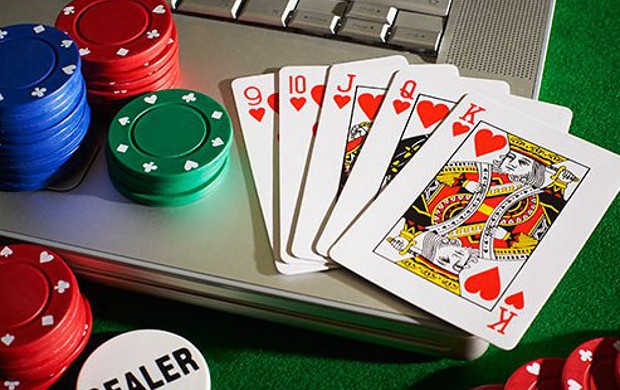
Casino technology has changed where a table game can be watched, but it has not removed the person running it. In August 2026, organisers of the UK Dealer Championships said they planned to expand the competition to two days in 2027 as part of the London Gaming Show at ExCeL. A competition built around game control and customer-facing skill is a timely reminder that dealing remains a profession, even when the table reaches players through a screen.
The Dealer Runs the Game
A dealer does much more than distribute cards or spin a roulette wheel. The job requires accurate procedure, clear announcements, and control of the pace of play. Dealers must recognise when an action is complete, communicate when betting has closed, and ensure that each round follows the rules. They also work within a supervised operation where incidents can be reviewed.
British technical standards reflect that role. The Gambling Commission requires live-dealer operations to use trained staff, retain evidence of training, and provide refresher training where necessary. It also requires supervision, video surveillance, controlled studio access, and game logs. Technology supports those safeguards, but trained people carry out the visible procedure.
What Changes When the Table Goes Online
A streamed table adds cameras, game software, and an interface through which players make decisions. The dealer works both for participants and for the systems recording the round. Movements and announcements must be clear on a small screen, while pauses need to match the betting window in the interface.
That combination can be seen in the way platforms organise their live sections. Pages devoted to live casinos place the video feed beside digital controls for joining a table and selecting an action. The software carries the instruction, while the dealer conducts the round on camera. Automation handles transmission and records, but the dealer provides the sequence viewers can see and understand.
The principle applies beyond gaming. Research on digital-product design argues that trust grows through clear, predictable interactions. A dealer contributes to that clarity by announcing each stage and following an established procedure.
Casino Work Still Has a Human Footprint
Employment data puts the role in context. DCMS estimated 75,000 filled jobs across the UK gambling sector in 2025. That total covers more than casinos, and the department withheld a London jobs estimate because the regional sample was too small. It did report that London accounted for 21 per cent of UK gambling-sector business sites in March 2025, including businesses outside casinos.
A more specific figure came during a House of Lords debate in June 2025, when the casino sector was described as directly employing around 10,000 people, many in hospitality positions. Dealers sit within that larger workforce alongside security, food service, compliance, and management staff. The comparison matters because a functioning casino, whether a London venue or a broadcast studio, is not simply a collection of games. For readers familiar with West London’s restaurants, the parallel is straightforward: the setting and systems matter, but the member of staff directing the experience remains highly visible.
Technology Changes the Skill Set
Digital delivery changes the work. A live-studio dealer must be comfortable on camera and keep instructions concise. Production staff, monitoring systems, and the game interface support the broadcast, making the dealer part of a technical team. A polished stream cannot correct a poorly managed round after viewers have watched it happen.
The UK Dealer Championships are relevant for that reason. By judging practical skill in London while the industry invests in remote formats, the event highlights qualities that software has not made obsolete. Accuracy, consistency, and calm communication remain useful because technology distributes the game; it does not conduct the physical table.
The Person at the Centre of the Table
Casino dealing is changing rather than disappearing. In a live studio, the same professional discipline must work through a camera and a digital interface. A trained dealer turns rules, equipment, and software into a round that people can follow as it happens.