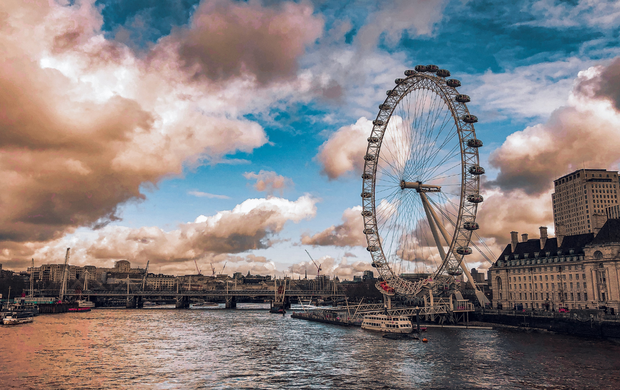
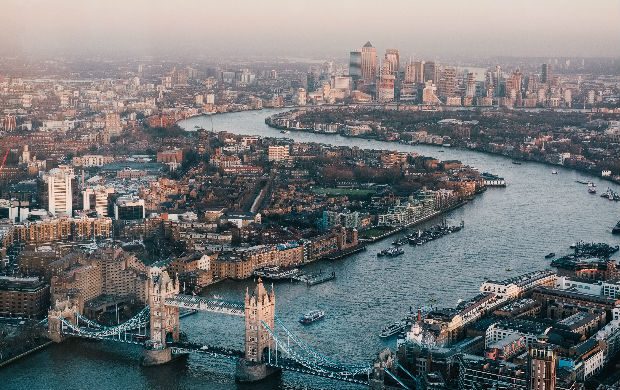
To understand London, you must observe how people spend their free time here. For centuries, local pubs, clubs, and theaters have acted as social glue, bringing together aristocrats and ordinary workers, locals and migrants. In this article, people will explore how the habit of entertainment has shaped the character of the British capital, why it is considered a global leisure hub, and how local hedonism is changing the economy and the streets themselves.
Historical Foundation – From Bear Fights to Shakespeare’s Globe
London has long been known for its entertainment. Even in the Middle Ages and Tudor times, the city was renowned for its rough and tumble entertainment. The South Bank of the Thames was not subject to the strict laws of the City, so it was there that the city’s residents sought thrills. Local taverns, brothels, and bear-baiting arenas were always packed. But this popular love of spectacles quickly evolved into something more serious, largely thanks to Shakespeare and his contemporaries.
The opening of the Globe Theatre in the late 16th century changed everything. Theater suddenly ceased to be a purely elitist pastime and became a popular pastime. Everyone gathered under one roof: the wealthy sat in covered galleries, while ordinary workers stood in the open-air stalls. This peculiarity – the convergence of completely different people at a single event- still remains an important part of London’s atmosphere. The city’s residents were literally united by a shared emotion.
In the Victorian era, things became even more exciting. Music halls appeared – noisy, smoke-filled establishments where people drank ale, sang satirical songs, and debated politics. In essence, this was the first time that leisure became a genuine industry and a profitable business. It was during this period that London finally cemented its status as the city that never sleeps, long before New York City claimed that title.
The West End – Theatrical empire and economic engine
Today, the West End has taken the place of the old arenas and music halls. In terms of theatrical scope, this area of London is rivaled only by New York’s Broadway. These are no longer just beautiful historic buildings, but a vast industry that contributes to the cultural image of the entire country.
Millions of spectators come here every year. The choice is vast: from Lloyd Webber classics to trendy dramas starring Hollywood actors. Theaters literally dictate the schedule of the city center. In the evening, restaurants lure people with quick dinners, an hour before performances, the streets are packed, and after the curtain call, audiences scatter to the pubs of Soho and Covent Garden. Ultimately, theaters provide income for dozens of neighboring establishments.
The West End clearly displays London’s true character. A love of tradition – many theaters dating back to the 18th and 19th centuries coexist seamlessly with a commercial acumen. Art is expensive here, but the level of production always remains top-notch.
Acoustic Landscape – Music as The Rhythm of The City
London is a bustling city. Its music is not just a backdrop, but a true foundation of local culture. Judge for yourself: in the 1960s, London’s pop scene was a worldwide sensation; in the 1970s, punk rock emerged here, transforming fashion and the minds of young people. The 1990s rocked to Britpop, and the 2000s saw the rise of grime and dubstep.
There have always been plenty of dingy basements and high-tech stadiums here. To understand the scale of the London scene, just take a tour of its main music venues. These are no longer just concert venues, but places of power for fans from all over the world:
- Royal Albert Hall. Victorian pathos incarnate. Originally built for science exhibitions, the Royal Albert Hall is now associated exclusively with grand concerts. Whether it is classic BBC Proms evenings or shows by rock legends, this is where the most respectable side of the London scene lives.
- The O2 Arena. The giant dome in Greenwich has become the face of commercially successful London. The world’s highest-grossing tours come here. Yes, the entertainment here is mass-produced, but the level of sound, showmanship, and comfort is simply stratospheric.
- Fabric. A cult club in Farringdon, the beating heart of British electronic music. The authorities have repeatedly tried to shut it down, but the club has fought back, proving to everyone that raves are a fully-fledged cultural heritage of the city, not just fringe weekend get-togethers.
- The Roundhouse. A former railway depot in Camden, transformed into an insanely atmospheric venue. Jimi Hendrix and The Doors once performed here, so the walls are still literally permeated with an alternative and rebellious spirit.
Each of these venues has its own unique sound, and together they create that distinctive London vibe. People do not just come here to listen to tracks – in the sweaty crowd on the dance floor or in the luxurious seats of the Royal Albert Hall, all boundaries and limits are erased. It is in these conditions that new subcultures are born, which then take over the world.
Pub Culture And The Phenomenon of Sports Gambling
If you would like to imagine this city without pubs, it would be an impossible task. For locals, it is not just a place where you can have a drink, because it has been transformed into a second living room. They come here to meet their friends and enjoy watching some sports. There are thousands of pubs across the city, some of which are hundreds of years old – they literally hold the entire local flavor.
Soccer deserves a special mention, because the roots of this sport come from here. You can see that this city is unofficially divided into zones of influence. Some people support Arsenal, others Chelsea, Tottenham, or West Ham. When important matches are taking place, the atmosphere on the streets changes dramatically, and in some areas, the crowds of fans make it best to avoid them altogether.
And what would British football be without betting? It is a long-standing tradition for locals. When the Premier League is shown in a pub, excitement is already running high, but many like to further enhance their interest in the game. These days, you do not have to go to the corner bookmaker’s office – most people simply use their smartphones to access platforms like win.bet to test their intuitions while enjoying a pint of craft ale. In the UK, no one considers betting to be marginal. It’s a completely legal, strictly regulated, and common adult pastime. It is simply another great way to argue with friends, discuss analytics, and add a little adrenaline to an otherwise ordinary evening.
Mega-Sporting Events As Tourist Magnets
But London is not just about rowdy evenings in local pubs; it is also one of the world’s leading sporting capitals. Major tournaments significantly change the city’s appearance. For example, the legacy of the 2012 Olympics has greatly revitalized east London: in Stratford, for example, modern residential areas and new recreational areas have sprung up on the site of abandoned industrial areas.
Sport sets the rhythm of the entire city, and London literally lives from tournament to tournament. To better understand how different competitions influence life in the British capital, it is worth checking the table.
| Event | Location | Vibe & Culture | City Impact |
| Wimbledon (Tennis) | South West London | Classic British vibe. White dress code, strawberries and cream. | Posh crowd. Massive tourist boost in July. |
| FA Cup Final (Football) | Wembley Stadium | The biggest football party. A true people’s game. | Fans everywhere. Pubs are packed, carnival in the streets. |
| The Ashes (Cricket) | Lord’s Cricket Ground | Pure history and tradition. A slow, smart game. | Conservative crowd. All about British heritage. |
| London Marathon | Central London | Huge charity run. Amateurs run next to pros. | Thousands cheering. Roads are closed, the center becomes a walking zone. |
Now you see that this city has a very powerful sporting scene. If you are interested in tennis or noisy soccer, you will find it all here. There is a place for everyone here, especially during major tournaments. The city provides the most immersive experience you cannot get anywhere else.
Cinema, Gastronomy, and Shopping As Elements of An Entertainment Constructor
In London, relaxation is not just about theaters and museums; it’s literally everywhere. Take food, for example. British cuisine used to be mocked, with only fish and chips mentioned, but now everything has changed. A visit to a restaurant has become an event. You can go for haute cuisine in Mayfair, or find the best curry on Brick Lane, and it is not just a meal, but an introduction to the city’s history. Even markets like Borough Market now resemble gastronomic theaters: people come there not so much for the food as for the atmosphere and tastings.
Film is also deeply woven into the city’s DNA. London is one giant film set. You can simply stroll along and suddenly find yourself on the set of Harry Potter or Sherlock. And when Leicester Square hosts major premieres with red carpet events, the city temporarily transforms into a veritable Hollywood.
Even a simple shopping trip is called «retailtainment» here. Department stores like Harrods and Selfridges have long ceased to be mere shops – they are more like palaces with incredible interiors, like entering a museum. And Oxford Street, with its pre-Christmas illuminations, turns gift shopping into a major city celebration.