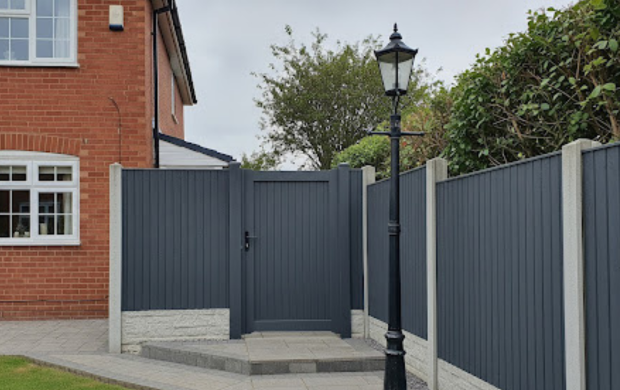
Living in West London can be very rewarding, with wonderful large Victorian terraces and cute period semi-detached houses, but you will find that the gardens in these areas are quite difficult to design. West London gardens are often long and narrow or have an awkward L shape.
However, you can make the most out of your garden even if it is very small. It can be redesigned into a lovely area where you can sit and relax, plus you can include lots of layers of plants and a more useful garden structure. The key is to think of your garden as an extension of your home.
Map Your Space
Give yourself a few weeks to really get to know your garden. You will want to know when and where the sun rises and sets, which areas are shaded and where your neighbors can look over the wall. This way you can create comfortable private seating areas that are perfect for soaking up the sun and avoid any sensitive plants getting burnt or frozen.
Break your garden into sections. A thriving small garden can be split into an eating area just outside the back door, a central area to give a nice natural garden feel, and a relaxing spot for everyone.
Don’t forget to look at the edges and corners! Often homeowners will overlook these areas, as they can be quite an eyesore with bins and overgrown bushes. However, in our compact West London garden these are the key areas that can unlock a garden’s true potential.
A Retreat at the End of the Garden
If space is limited within your period home, your garden will become your best asset. By adding a small wooden retreat to the far end of your garden you can create a useful extra space. Not only does the addition of a small summer house create a focal point for your garden, but it also draws the eye along the length of the garden. This unused section of your garden can be converted into a peaceful reading spot, a dedicated art studio or simply a place to relax after your daily commute.
By using glazing on the back of the structure it will give a spacious feeling to the garden as it reflects light. The color of the exterior should match your existing fencing and dominant greenery. Using natural greens, dark charcoals and soft greys will help the wood to fade into the greenery.
Making Use of Awkward Corners
Although awkward angles can seem frustrating, they can often provide great opportunities for an interesting interior design. Many rectangular sheds can make a small garden feel cramped and can block out light. Using corner structures will utilize an awkward space without taking up too much of the garden.
A very good option to consider if you have limited space is to use a design that tucks neatly into a corner and faces back towards your house. Because the structure has a smaller footprint, you won’t look bulky and you’ll still have clear views from your kitchen window. This also provides you with a sheltered spot to enjoy your own private area.
When You Need More Than a Summer Room
If you need more than just a summer garden space, then opting for something much more robust with full insulation may be the way to go. If you need a proper home office, music room or guest area, traditional rectangular garden offices can often take up too much of your garden if you don’t have much space.
Look for garden buildings that are based around an odd shape. An L-shaped layout can split a home office from a storage side, all in one corner of the garden. The internal area can be quite large so you will have plenty of space for your desk and shelving.
Before you get started, please check what local restrictions you have. Many streets across West London fall within conservation areas meaning that you may have limited permitted development rights. Also check with your local council that you know the maximum height you can build near to any boundaries. Also, check out the Planning Portal to see what the rules are surrounding outbuildings.
Planting and Lighting to Finish the Look
Once you have your layout in place the finishing touches will be planning the garden and lighting. Vertical plants are great in small gardens! Train climbers and rambler plants such as roses and star jasmine up on wires on brick walls and plant pleaching trees such as hornbeam for height that won’t block the light in the garden. Place large terracotta pots by your garden building to soften the edges of the wood.
As the evening settles and sunlight begins to disappear from your garden, lighting can transform the atmosphere. Avoid bright security lights, instead, use warm path lighting to illuminate the way. Hang some soft fairy lights above your seating area to really make it feel welcoming. Soft lighting will make everything look bigger and better in your small West London garden.
Conclusion
With a bit of creative planning and by taking advantage of quirky angles, zoning your garden, and investing in some smart garden structures, even the smallest London garden can work for you. By thinking carefully about how to lay out your garden, you can transform that forgotten little oasis into your favorite room in the house.
Have you used any of these tips to help you with any awkward areas in your West London garden? Please share your tips and stories below!