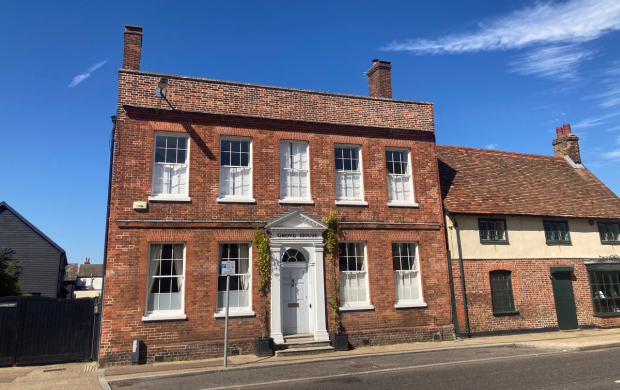
Renovating a property is always a big job, but when that property has historical value, it adds a whole new layer of responsibility and reward. Bringing an older building into the 21st century means finding a delicate balance between keeping its history and making it modern. This guide is a starting point for anyone taking on a heritage home renovation. It will help you honour the past while creating a space that works for today’s life.
Understanding Heritage Buildings
When people hear ‘heritage building,’ they often picture grand, listed properties. But the term is much broader than that. Your home might be in a conservation area, be listed locally, or just have a distinct historical character that adds to the neighbourhood’s charm. These properties stand out because of their unique features, from original sash windows and intricate plasterwork to the very materials used to build them, like handmade bricks or traditional timber frames.
A sensitive renovation aims to work with these elements, not against them. It means committing to Historic Preservation (WBDG), which focuses on keeping the original structure and character that make the building special. This approach celebrates the craftsmanship of the past and ensures the building’s story continues for future generations.
Researching Your Property’s Past
Before you draw up any plans or even pick up a tool, you need to become your home’s historian. Understanding its past will give you crucial context for all your renovation decisions. Start by visiting your local archives. They often have old maps, photographs, and building records that can show how your property and its surroundings have changed over time.
Look for old planning applications or deeds, as these can offer clues about past alterations, extensions, or changes in how the building was used. Tracing your home’s timeline helps you figure out which features are original and which were added later. With this knowledge, you can make smart choices about what to preserve, what to restore, and where you have more freedom to add modern touches.
Finding the Right Specialists
A heritage renovation isn’t like a standard building project, and it’s definitely not the time for inexperienced tradespeople. Working with old materials and structures brings unique challenges that demand a team with specific expertise. Trying to use modern building techniques on a historic property can cause damage that can’t be undone.
Assembling the right team is the most important step you can take. This includes builders skilled in traditional methods and, crucially, experienced architects specialising in heritage projects. A knowledgeable architect won’t just create a design that respects the building’s character; they’ll also guide you through the complex planning permissions and regulations, making sure your project goes smoothly from start to finish.
Working with Listed Buildings
If your property is officially ‘listed’ (categorised as Grade I, II*, or II), you are legally required to preserve its special architectural and historic interest. This status means strict control over almost any work you might want to do. Changing windows or moving an internal wall, for example, will need a specific permission called Listed Building Consent.
The process might seem daunting, but it’s there to protect the country’s most important historic buildings. Working without the correct consent is a criminal offence. Your local council’s conservation officer is your main contact. They can give you initial advice on what’s likely to be acceptable. Engaging with them early and working together, often with your architect as a go-between, is the best way to get a good outcome.
Modern Comfort, Historic Charm
The ultimate goal is a home that feels both timeless and comfortable. The trick is to add modern amenities subtly, without losing the building’s historic soul. This often means repairing original features instead of replacing them. Scratched floorboards can be restored, draughty sash windows can be refurbished, and original fireplaces can become stunning focal points again.
When you need to add new elements, choose materials that fit with the original structure. Think lime plaster instead of modern gypsum, or breathable paints that let the walls manage moisture. Technology can be hidden away; underfloor heating offers invisible warmth, and smart home systems can be integrated without cluttering walls with plastic switches. Careful planning helps you avoid common renovation mistakes that can devalue a property and strip it of its unique character.
Renovating a heritage property is a journey of discovery. By approaching the project with research, respect, and the right professional support, you can successfully breathe new life into an old building, creating a beautiful home that honours its unique legacy.