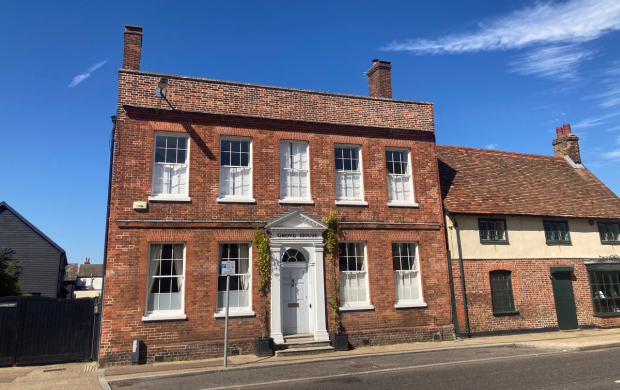
West London is home to some of the capital’s most desirable properties, from Victorian terraces and Edwardian semis to converted flats and modern developments.
While these homes offer plenty of character, many also come with common maintenance challenges that homeowners should be aware of. Understanding these issues early can help prevent costly repairs and protect your property’s value.
Damp, Condensation and Poor Ventilation
One of the most frequent problems affecting West London homes is damp. Many properties across areas such as Ealing, Chiswick, Hammersmith and Fulham were built long before modern ventilation standards existed. Combined with London’s wet climate and increasingly airtight home improvements, this can create the perfect conditions for condensation and mould growth.
Common warning signs include black mould around windows, peeling paint, musty odours and persistent condensation on glass surfaces. Bathrooms, kitchens and utility rooms are particularly vulnerable because they generate large amounts of moisture.
Improving airflow throughout the property is often one of the most effective solutions. Modern systems such as Centralised Mechanical Extract Ventilation (MEV) continuously remove stale, moisture-laden air from multiple wet rooms, helping to reduce condensation and maintain healthier indoor air quality. These systems can be particularly beneficial in older West London properties where natural ventilation is limited.
Ageing Roofs and Guttering
Many West London homes are over a century old, meaning original roofing materials may be reaching the end of their lifespan. Slipped tiles, worn flashing and blocked gutters are common issues that can lead to water ingress if left unchecked.
Heavy rainfall can quickly expose weaknesses in older roof structures. Homeowners may notice water stains on ceilings, damp patches in loft spaces or overflowing gutters during storms. Regular roof inspections and gutter maintenance can help identify problems before they develop into more serious structural repairs.
Outdated Electrical Systems
While many homes have been modernised over the years, some older properties still contain ageing electrical systems that struggle to meet the demands of modern living.
Consumer units, wiring and sockets installed decades ago may not be designed for today’s technology-heavy households. Warning signs can include flickering lights, frequently tripping circuits, warm sockets or insufficient power outlets.
Upgrading electrical installations not only improves safety but can also enhance energy efficiency and support smart home technology that many buyers now expect.
Plumbing Problems and Low Water Pressure
West London’s housing stock includes many converted flats and period properties that often rely on older plumbing systems. Corroded pipework, hidden leaks and inconsistent water pressure are common complaints among homeowners.
Low water pressure can be particularly frustrating in upper-floor flats or properties with older supply systems. Leaking pipes may remain unnoticed for long periods, causing damage behind walls or beneath floors before becoming visible.
Routine plumbing inspections can help detect issues early, while replacing ageing pipework can improve both water flow and overall system reliability.
Energy Inefficiency and Heat Loss
Character-filled period properties are often less energy efficient than modern homes. Solid walls, original windows and limited insulation can make it difficult to retain heat during colder months.
As energy prices continue to fluctuate, homeowners are increasingly focused on reducing heat loss and improving efficiency. Drafts around windows and doors, poorly insulated lofts and ageing heating systems can all contribute to higher utility bills.
Energy improvements such as loft insulation, upgraded glazing and modern heating controls can significantly enhance comfort while reducing long-term running costs.
Conclusion
West London’s diverse housing stock offers charm, history and strong long-term appeal, but many properties face similar maintenance challenges. Damp and poor ventilation, ageing roofs, outdated electrics, plumbing issues and energy inefficiency are among the most common concerns homeowners encounter.
By identifying these problems early and investing in preventative maintenance, residents can protect both their homes and their property values for years to come.