

Heart disease may develop over time, and the initial stages may not have any noticeable symptoms. The narrower the coronary arteries, the less oxygenated blood is delivered to the heart. When the constriction is extreme enough, the body begins to exhibit symptoms that cannot be ignored. Discussions on coronary artery bypass usually begin when symptoms are no longer easily manageable, but early detection can have a positive impact on treatment choices and prognosis. Awareness of the symptoms of advanced coronary artery disease will enable individuals to seek assistance earlier and make more informed decisions.
How Severe Narrowing Affects the Heart
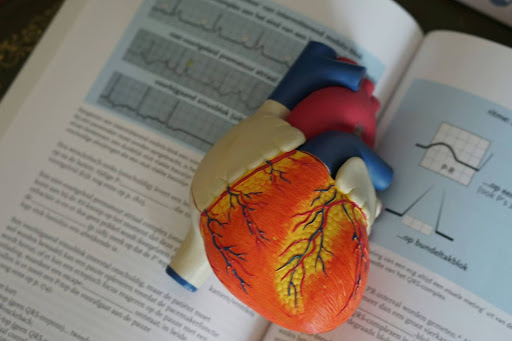
Blood is taken to the heart muscle by the coronary arteries. When these vessels narrow, the oxygen supply is limited. At first, the heart tries to compensate for this by trying to work harder. This extra effort cannot be sustained over time, particularly when one is engaged in physical activity or under emotional stress. When the constriction is severe, the heart is unable to meet the body’s metabolic demands. The symptoms of this strain usually develop with time.
Chest Discomfort That Should Raise Concern
One of the most frequent warning signs is chest discomfort. This feeling is not necessarily acute pain. Numerous individuals complain of pressure, heaviness, tightness, or uncomfortable fullness in the chest. Initially, this feeling is experienced only during physical activity or stress and is relieved by rest. Discomfort may become more frequent, prolonged, or manifest at rest or sleep as the disease progresses. Taking a longer period to recuperate following each episode is a common indication of deteriorating artery blockage.
Breathlessness With Mild Activity
Even simple tasks may result in shortness of breath. It can suddenly become hard to walk short distances, climb stairs, or carry light objects. This is because when blood flow is limited, the heart cannot pump effectively. Muscles and the lungs receive less oxygen, leading to breathlessness disproportionate to the activity undertaken.
Ongoing Fatigue and Falling Energy Levels
Constant fatigue is often a consequence of extreme coronary artery disease. It is not simple fatigue. Rest does not necessarily fully replenish energy, and stamina may still deteriorate over time. Some activities that were once considered easy to manage may be more difficult. It is a progressive weakness that implies inefficient circulation and constant heart stress.
Pain That Spreads Beyond the Chest
Heart-related discomfort is not always confined to the chest. The pain or pressure can extend to the arms, shoulders, neck, jaw, upper back or even to the teeth. Some people may experience sore throats or sore jaws, but no pain in the chest. This is because cardiac pain can be experienced in other regions as they share nerve pathways. These patterns increase the risk of misinterpreting symptoms as musculoskeletal or dental issues.
Irregular Heartbeat and Palpitations
Inadequate blood flow may interfere with the electrical system of the heart, resulting in palpitations. Palpitations may present as fluttering, pounding, or an irregular heartbeat. Irregular rhythms may occasionally occur in healthy individuals; however, when accompanied by other symptoms, they should be considered concerning. Such symptoms could indicate that the heart tissue is under strain.
Dizziness or Feeling Close to Fainting
Blood pressure control can be destabilised as arterial constriction intensifies. Lightheadedness, unsteadiness, or even fainting may develop, particularly with movement or abrupt changes in position. All of these sensations indicate impaired blood supply to the brain. They usually indicate an underlying illness that needs immediate assessment.
Nausea, Sweating, and General Illness
Others experience nausea, cold sweats, or general malaise. These symptoms may or may not be accompanied by chest discomfort. These symptoms are so similar to digestive issues or anxiety that they are often ignored. They can indicate cardiac strain when they occur during exertion or stress, rather than stomach problems.
How Symptoms Can Differ Between Individuals
Severe coronary artery disease does not present itself in all people in the same way. The manifestation of the symptoms depends on age, sex, and underlying conditions.
Nerve changes can make people with diabetes experience breathlessness or fatigue rather than pain. Women occasionally complain of backache, nausea, or excessive fatigue instead of typical chest pains.
When Symptoms Need Urgent Attention
Symptoms that occur more frequently, are more severe, or manifest during rest are concerning. Waking up in the morning with chest pain or shortness of breath indicates a severe arterial blockage. Acute deterioration can never be overlooked. Severe constriction is a risk factor for heart attack or life-threatening heart rhythm issues and must be assessed medically urgently.
Responding Early to Warning Signs
The identification of severe coronary artery disease is based on patterns rather than isolated incidents. Symptoms such as chest pain, shortness of breath, and fatigue typically occur concurrently and progress gradually. Early action will enable safer planning and improved results. Timely assessment will help prevent irreversible harm and inform appropriate treatment decisions. Monitoring these red flags provides the most opportunity to safeguard heart health in the long term during a critical period of cardiovascular disease.