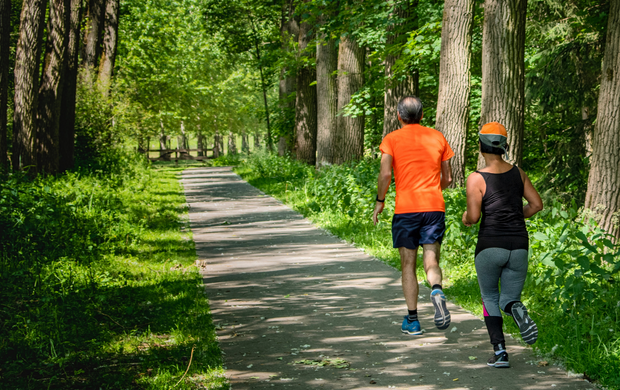
A kid chokes on candy at a party. Someone collapses on their bike near the shops. Your neighbor has a stroke while working in the garden. These things happen every day.
Most people panic when they see an emergency. They want to help but have no clue what to do. Having even a few trained people nearby changes everything.
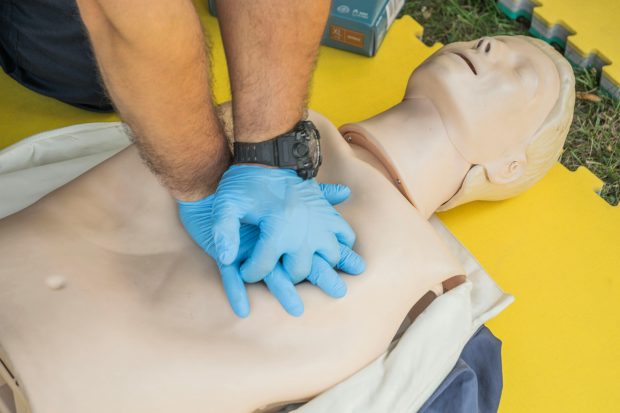
Photo by SHOX art
Why Training Makes a Real Difference
Cities are packed with people. Ambulances get stuck in traffic during rush hour. Accidents happen in crowded parks and busy streets. Kids play everywhere. Elderly folks live alone. Workers fill office buildings and construction sites.
Help can take 15 minutes to arrive. Sometimes longer. During cardiac arrest, your brain starts dying after three to four minutes without oxygen. Someone who knows CPR can keep blood moving until the ambulance shows up. Organizations offer first aid courses that teach you these skills in just one day.
Parents should learn this stuff. Teachers too. Office workers, coaches, and volunteers all benefit. The skills work anywhere. Someone who can stop bad bleeding or recognize stroke symptoms becomes an asset to everyone around them.
Emergencies You Might Actually See
Heart Attacks Happen More Than You Think
Someone near you grabs their chest. They can’t catch their breath. They pass out cold. You need to know when to call 911 right away. You also need to know how to do chest compressions properly.
The Resuscitation Council says immediate CPR can produce survival rates between 50 and 70 percent. Those odds drop fast if nobody acts. Seconds matter more than most people realize.
Choking Kills Fast
Restaurants see choking incidents all the time. So do schools and family dinners. Little kids stick things in their mouths. Adults choke on steak or candy. Back blows work. Abdominal thrusts work. You can clear someone’s airway in under a minute if you know what you’re doing. Without help, they die in minutes.
Falls Cause Serious Damage
Old people fall and break their hips. They hit their heads hard. Construction workers tumble from ladders. Cyclists get knocked off their bikes by cars. Each situation needs a different handling. Sometimes you need to keep someone’s neck stable. Other times, you need to stop blood loss fast.
Allergic Reactions Turn Deadly Quickly
A bee sting sets someone off. Peanuts do it. Some medications trigger reactions, too. Mild symptoms become life-threatening in minutes. Their throat closes up. Blood pressure crashes. You need to spot the early warning signs. You need to know how to help them use their EpiPen correctly.
Training at Work and School
Workplaces have legal requirements for first aid coverage. The Health and Safety Executive sets the rules. An office with 50 people needs at least one trained employee. Construction sites need several. These aren’t random requirements. People get hurt at work despite all the safety equipment and rules.
Schools carry even more responsibility. Staff need paediatric training because kids aren’t just small adults. They react differently to injuries and medical problems. A playground accident might cause a concussion. A diabetic child could have a blood sugar crisis. Asthma attacks strike without warning. Seizures happen. Someone needs to know how to respond.
Smart companies train more people than the law requires. They run refresher courses every year or two. Some install defibrillators in break rooms and reception areas. These businesses understand that employee safety matters. Customer safety matters too.
Here’s what good workplace training covers:
- CPR techniques for adults and children
- How to use an automated external defibrillator
- Treating cuts, burns, and broken bones
- Recognizing heart attacks and strokes
- Managing shock and unconsciousness
The training pays off fast. Workers feel more confident. Customers notice the safety focus. Everyone benefits from the extra protection.
How Communities Get Stronger
Street festivals bring hundreds of people together. Block parties do the same. School sports days pack the stands. Having trained volunteers on site means someone can help immediately when accidents happen. You don’t have to wait and hope for the best.
Scout troops train their leaders now. Sports leagues require coaches to get certified. Youth programs make it mandatory. Community centers sometimes organize group training sessions. People learn together and build connections at the same time.
The effects spread beyond just saving lives during emergencies. Trained people teach their families what they know. They stay calm instead of freaking out. Kids who grow up around this learn that helping others is just what you do. The whole culture shifts over time.
Local businesses are catching on, too. Your gym might have trained staff. The coffee shop down the street might display its certificates. Restaurants invest in employee training. Support these places. Your business rewards companies that take safety seriously.
Photo by RDNE Stock project
Getting Your Training
Programs usually run one or two days, depending on the level. Basic emergency training takes about six hours. You learn the essentials everyone should know. Longer courses add more scenarios and practice time. Most training involves actual hands-on work. You practice on mannequins. You wrap real bandages. You learn by doing, not just listening.
Certifications expire after three years. Your skills get rusty if you don’t use them. Medical science changes, too. Doctors update their recommendations as new research comes out. Regular training keeps you sharp and current.
Lots of people put off training because they worry about messing up. Good instructors deal with this fear head-on. Doing something almost always beats doing nothing. Good Samaritan laws protect people who try to help. You won’t get sued for trying your best in an emergency.
Finding the right course takes a bit of research. Look for programs approved by recognized safety organizations. Read reviews from people who took the classes. Figure out if you need basic training or specialized paediatric certification. Some providers give discounts to groups. Others run evening classes for people who work during the day.
Your neighborhood gets safer when more people know what to do. That parent who saves a choking child took one course. The coworker who does CPR made one decision. The neighbor who stopped bleeding until the ambulance arrived learned it somewhere. Small actions create big ripples that protect everyone.