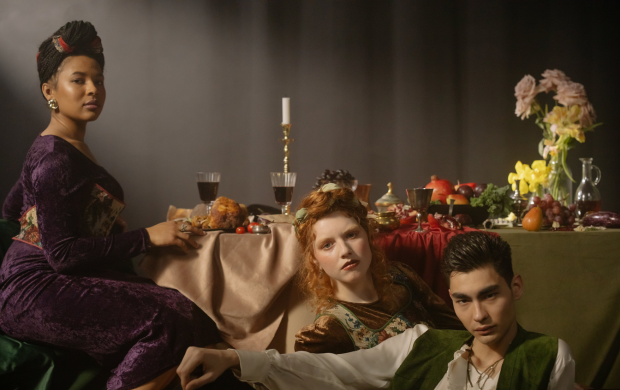
Think Renaissance Dresses Aren’t Made for You? Think Again
Renaissance fashion gets romanticised as a world of impossibly tiny waists, rigid bodices, and “one-size” ideals. If you’ve ever looked at a painting from the 1500s and thought, Well, that’s beautiful—but it’s not for me, you’re not alone. Plenty of people assume Renaissance-inspired clothing only works on a narrow range of body types.
The truth is almost the opposite. Renaissance dress traditions were built around structure, adjustability, and drape—three things that can be incredibly friendly to plus-size bodies when you know what to look for. The issue isn’t whether you canwear the style. It’s whether you’ve been shown the right versions of it.
Let’s talk about why these silhouettes can be far more inclusive than modern fashion gives them credit for—and how to choose pieces that feel comfortable, flattering, and genuinely you.
The Renaissance Silhouette Was More Flexible Than You Think
One of the biggest myths about Renaissance-style dressing is that it’s all about restriction. Yes, historical garments used supportive shaping—but support doesn’t have to mean discomfort, and it definitely doesn’t require erasing your body.
“Curves weren’t a problem—garments were designed around them”
If you look at period artwork across regions (Italy, England, the Low Countries), you’ll notice something: bodies vary. The fashionable outline wasn’t “thin”; it was structured. Many looks emphasised the bust, celebrated a rounded torso, or leaned into dramatic sleeves and skirts that created balance and presence.
The most useful takeaway for today is that Renaissance-inspired outfits often rely on:
- Adjustable lacing or ties (great for fit changes and comfort)
- Layering (chemise + overdress, for example)
- Skirt volume and drape (which can skim rather than cling)
That’s a strong foundation if you’re tired of modern cuts that either squeeze in the wrong places or hang like a sack.
Structure can be your friend (when it’s the right structure)
A well-designed bodice doesn’t have to “cinch you in.” It can distribute support across the torso, offer lift, and create a smooth line under the bust—especially when paired with a breathable underlayer. The difference is in the engineering: flexible boning, thoughtful paneling, and lacing that’s placed to adjust the garment to you, not the other way around.
What to Look for in a Plus-Size Renaissance Dress (That Actually Feels Good)
A Renaissance-inspired dress should make you feel powerful, not preoccupied. If you’re constantly tugging, shifting, or worrying about gaping seams, the magic disappears fast.
Prioritise adjustability over “perfect sizing”
This is where the style shines. Many Renaissance-inspired pieces borrow from historical lacing and tie details because they’re practical: they accommodate fluctuations, layering, and personal comfort. If you’re exploring options, seek out Renaissance-inspired dresses designed for plus-size figures that clearly build adjustability into the bodice and waist rather than simply scaling up a straight-size pattern.
That distinction matters more than most people realise. Scaling a garment up without redesigning proportions often leads to odd armholes, tight sleeves, and bodices that ride up. Purpose-designed plus-size patterns tend to respect the way curves change the garment’s geometry.
Fabric choice is half the comfort equation
A lot of “costume-y” Renaissance dresses are made from stiff, shiny synthetics that trap heat and fight the body. You want fabrics that move.
Look for:
- Cotton, rayon, linen blends (breathability and soft drape)
- Gauze or lightweight woven fabrics for chemises and underlayers
- Velvet or heavier weaves only if the garment is cut to avoid bulk at the waist and underarms
If you run warm—or you plan to wear the outfit to a faire—fabric can make the difference between feeling radiant and feeling miserable.
Sleeves and necklines: the overlooked comfort zones
Sleeves aren’t just decorative in Renaissance-inspired fashion; they’re architectural. For plus-size wearers, sleeve design can also be a make-or-break comfort detail. A fitted upper sleeve with no give will restrict movement quickly, especially if the armhole is cut too high.
Necklines matter too. Square and sweetheart necklines can frame the chest beautifully, but the key is stability: the bodice should stay anchored without digging.
Here’s a quick fit check you can use before committing (online or in person):
- Raise your arms overhead: does the bodice shift uncomfortably?
- Sit down: does the waistline pinch or roll?
- Take a deep breath: do you feel compression in your ribs?
- Walk briskly: does the skirt twist or pull at the hips?
Styling Tricks That Make Renaissance Looks Feel Modern (and More “You”)
Even if you love the idea of Renaissance fashion, you might not want to look like you’re headed to a film set. The good news: you can dial the vibe up or down.
Use contrast to create balance
Renaissance-inspired outfits often rely on contrast—fitted bodice against flowing skirt, structured neckline against soft sleeves. That contrast can be especially striking on plus-size bodies because it highlights shape without clinging.
Try pairing:
- A darker bodice with a lighter chemise for definition
- A wide neckline with statement earrings to draw the eye upward
- A swishy skirt with a more structured belt or pouch at the waist
Choose footwear that supports the day you’re actually having
If you’re wearing the look to an event, comfort footwear matters more than “accuracy.” Boots, supportive flats, or low block heels can still read “period-inspired” if you keep the palette cohesive—leather tones, muted shades, or simple silhouettes.
Don’t underestimate underlayers
A soft chemise or slip can reduce friction, improve drape, and make the dress feel better against the skin. It also helps with temperature regulation—especially if the overdress fabric is heavier.
Why Representation Matters—and Why This Style Is Worth Reclaiming
When people say, “That aesthetic isn’t for my body,” they’re usually responding to what they’ve seen marketed—not what’s actually possible. Historically inspired clothing has a unique power: it lets you step outside modern fashion’s narrow rules. It’s not about hiding; it’s about inhabiting a silhouette with intention.
And honestly, Renaissance-inspired fashion can be a small act of rebellion. You get to take up space, wear the dramatic sleeves, choose the sweeping skirt, and let the bodice sit where it’s meant to—on a body that deserves clothing built with care.
So if you’ve been curious but hesitant, consider this your permission slip. Try the style thoughtfully, prioritise comfort and adjustability, and ignore the outdated idea that only one kind of body gets to look “storybook.”
Because the right Renaissance dress doesn’t ask you to change. It changes the way you see yourself.