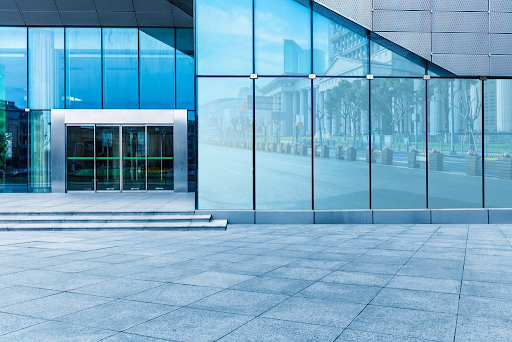
Commercial property managers and facility directors across West London and the Thames Valley face a dual challenge: maintaining indoor environmental quality while reducing operational overheads. From corporate headquarters near Heathrow and office parks in Slough to retail storefronts in Richmond and Chiswick, modern glass architecture offers excellent natural light but creates significant thermal inefficiencies. Excess solar heat, distracting screen glare, and elevated energy bills frequently impact tenant satisfaction and corporate sustainability metrics. To address these facility challenges without costly glazing replacement, leading specialists such as Bucks Tinting deliver precision commercial window film installation across commercial properties, transforming solar control and building efficiency.
Mitigating Thermal Inefficiencies and Solar Heat Gain
Large commercial glazed facades act as thermal collectors. During warm spells and sunny periods, solar radiation passes through exterior glass, creating severe interior heat buildup. Traditional HVAC systems must consume massive amounts of power to cool office floors, resulting in inflated energy expenditure and higher carbon footprints.
Applying high-performance solar control films to existing commercial glazing creates a thermal barrier at the building envelope. Modern spectrally selective films target the solar spectrum directly, rejecting up to 80% of total solar energy before it enters the workspace.
Key operational energy benefits include:
- Lower Peak HVAC Demand: Reducing solar gain stabilises internal temperatures, preventing air conditioning units from running continuously at maximum load.
- Decreased Energy Consumption: Lowering cooling cycles generates measurable kWh savings, directly reducing monthly utility bills.
- Extended HVAC Lifespan: Reducing mechanical stress on building climate control systems lowers maintenance costs and delays expensive capital equipment replacement.
Eliminating Workplace Glare and Enhancing Productivity
In modern office environments, natural light is essential for employee wellbeing and productivity. However, unmanaged sunlight creates severe screen glare, causing eye strain, headaches, and decreased focus for staff working on computer monitors and digital displays.
Traditional window coverings such as blinds or heavy drapes are often inadequate for corporate environments. Closing blinds blocks natural daylight completely, necessitating artificial overhead lighting and creating a dark, enclosed atmosphere that negates the aesthetic benefits of perimeter glass.
Professional solar film application solves this problem by filtering high-intensity sunlight while allowing abundant natural daylight into the workspace. By balancing light transmission and filtering glare, commercial spaces maintain open views of surrounding landscapes, whether overlooking the historic grounds of Windsor Castle or the vibrant commercial corridors of Ealing and Kensington, without compromising workplace ergonomics.
Supporting Corporate Sustainability and BREEAM Objectives
Environmental sustainability is no longer optional for commercial landlords and corporate tenants. ESG (Environmental, Social, and Governance) targets require asset managers to optimise energy performance, reduce carbon emissions, and achieve recognised green building accreditations such as BREEAM or SKA ratings.
Retrofitting commercial window film provides one of the fastest and most cost-effective carbon reduction strategies available for commercial real estate:
- Immediate Carbon Footprint Reduction: By reducing air conditioning load, commercial facilities immediately cut operational greenhouse gas emissions.
- Minimal Embodied Carbon: Unlike window replacement, which involves manufacturing new glass, disposing of old materials, and extensive site work, retrofit film utilises existing glazing assets, drastically minimising embodied carbon.
- BREEAM & LEED Points: Improved energy performance and enhanced thermal comfort contribute directly toward building sustainability certification points.
Capital Efficiency: Retrofit vs. Glazing Replacement
Upgrading glass performance through complete facade or window replacement requires massive capital expenditure, disruptive construction work, and substantial tenant disruption. For active office buildings, retail centres, and public institutions, disruption to daily business operations carries substantial financial risk.
By comparison, retrofit solar film installation offers significant financial and operational advantages:
- Rapid Payback Period: Most commercial window film installations deliver a full return on investment (ROI) within 2 to 4 years through lower energy bills alone.
- Zero Business Interruption: Skilled technicians install window film internally with minimal noise or disruption to ongoing office work or retail trading.
- Preservation of Architectural Aesthetics: Engineered architectural films integrate seamlessly with existing facade designs without altering the exterior character of the property.
Year-Round Thermal Balance and HVAC Optimisation
Solar control is not solely a midsummer requirement. Low-angle sun during autumn and winter months creates severe horizontal glare across office desks while solar heat pockets persist in south-facing zones. Low-emissivity (Low-E) commercial films provide dual-action performance: rejecting solar heat gain during hot spells while retaining internal radiant heat during winter. This dual action optimises year-round climate control and delivers ongoing energy savings across all four seasons.
Protecting Internal Assets and Commercial Furnishings
Ultraviolet (UV) radiation causes steady, irreversible damage to commercial interiors. Unfiltered daylight bleaches carpeting, degrades hardwood flooring, damages valuable artwork, and deteriorates executive office furnishings. High-performance solar control films block up to 99% of harmful UV radiation, preserving commercial interior assets and extending the service life of internal fittings.
Enhancing West London and Thames Valley Commercial Properties
Commercial real estate in West London, Berkshire, and Buckinghamshire ranges from historic institutional buildings near Eton College to state-of-the-art corporate centres in Uxbridge, High Wycombe, and Maidenhead. Retaining tenant appeal and maintaining modern building standards requires proactive facility management. Integrating professional solar control solutions enables property owners to upgrade building performance, reduce operating costs, and protect long-term asset value across the region.