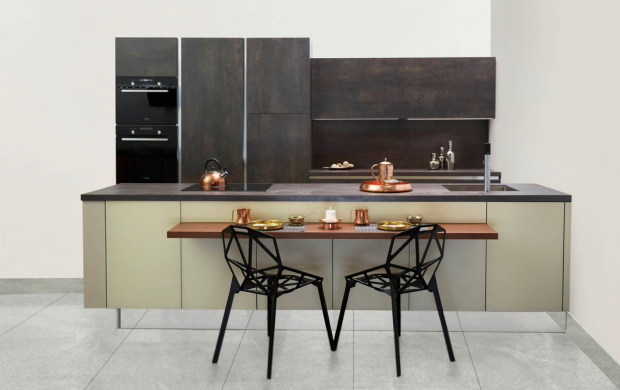
The difference between a kitchen that looks designed and one that merely looks finished is almost always found in the details. Grand gestures like a statement island or an expensive range cooker attract the eye and establish a kitchen’s character.
However, it’s the smaller, less immediately obvious decisions that determine whether a kitchen feels cohesive, considered, and genuinely beautiful to spend time in. These are the elements that designers obsess over and that homeowners most often overlook until it’s too late to change them.
Lighting That Sets the Mood
Lighting is arguably the most underestimated part of kitchen design. Most kitchens are planned with a single overhead source and little else, which flattens the space and eliminates the atmosphere that layered lighting creates.
A truly well-lit kitchen operates on multiple levels: ambient lighting for general illumination, task lighting positioned directly above work surfaces, and accent lighting (whether inside glazed cabinets or beneath open shelving) that adds depth and warmth after dark.
Under-cabinet lighting in particular transforms the experience of using a kitchen in the evening, making work surfaces both more practical and more atmospheric. Statement pendants above an island or dining area provide sculptural interest as well as directed light. The fixture itself, in this context, is as much a design object as a functional fitting.
Hardware and Fixtures as Design Statements
Cabinet handles and drawer pulls are touched dozens of times a day, yet they are frequently selected last and with the least deliberation. This is a missed opportunity. Hardware in a trending finish such as brushed brass or satin nickel can draw together disparate elements of a kitchen and give it a sense of intentionality that generic chrome fittings rarely achieve.
The same logic applies to taps: a considered choice of form and finish elevates the entire sink area from functional to beautiful.
The Importance of Kitchen Sinks
Few elements of a kitchen are used more frequently than the sink, yet it remains one of the last to receive serious design attention during the planning process. Choosing high-quality kitchen sinks can transform the look and the functionality of your space. A deep, undermounted ceramic or hand-hammered copper basin, for instance, brings craftsmanship and a sense of permanence that a standard stainless steel insert won’t.
The positioning of the sink and the material chosen to complement surrounding surfaces are decisions that deserve the same consideration as cabinetry or worktops.
Storage Solutions That Blend In
In a beautifully designed kitchen, storage disappears. Integrated appliances behind cabinetry-matched panels, pull-out larder units that conceal their contents entirely – these solutions create the uninterrupted visual calm that distinguishes a considered design from a functional one.
The absence of visible clutter is not minimalism for its own sake; it’s what allows the more deliberately chosen elements of the kitchen to read clearly.