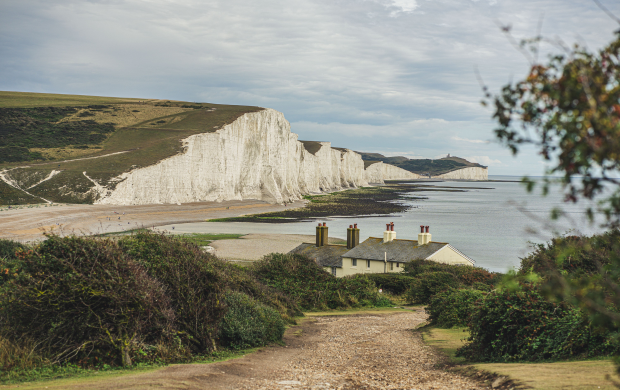
Robin Smith, founder of House Sussex, gives us his insight into buying in the idyllic beachside county of Sussex.
For many Londoners, buying a home in Sussex begins with a familiar picture: Friday evenings by the sea, long walks across the Downs and Sunday lunch somewhere that knows the name of the farm supplying the beef.
It is an appealing idea, and often a very good one. Sussex provides coastline, countryside, historic towns and a strong independent food and arts scene, all within reach of London. But after more than 20 years working in property, I have learnt that the perfect weekend home is not always the property that makes the greatest first impression.
The real question is not simply where you would like to spend a sunny weekend. It is where you will still want to go on a wet Friday evening in November.
Sussex is not one property market
A search for “a home in Sussex” covers a remarkably wide range of places and lifestyles.
Brighton and Hove provide energy, restaurants, culture and some of the county’s best connections to London, but buyers pay accordingly. Lewes offers history, independent shops and immediate access to the South Downs. Further east, St Leonards combines impressive architecture with galleries, restaurants and the sea, while Hastings offers everything from colourful Old Town cottages to substantial Victorian houses overlooking the coast.
Then there are the villages, farmhouses and converted barns scattered across the countryside. These can deliver the space and privacy many London buyers imagine, but they also bring greater reliance on a car and more responsibility for maintenance.
Before looking at individual houses, decide what you want to be able to do without getting in the car. A rural cottage may look idyllic, but if your ideal Saturday involves coffee, lunch and a walk along the seafront, a well-positioned townhouse may suit you better.
Test the real journey
Journey times are important, but the headline railway timetable rarely tells the whole story.
Consider how you will reach the station at both ends, whether you can park nearby and how frequently trains run later in the evening or on Sundays. A property described as being within 90 minutes of London may still involve a two-hour door-to-door journey.
There is often a trade-off between convenience and value. Brighton and Lewes are easier to reach from much of London, while travelling further east can provide more space, greater architectural interest and, in some locations, a sea view for considerably less money.
The journey should be tested at the time you are most likely to make it. Travelling at midday for a viewing is not the same as leaving London after work on a Friday.
Stay before you buy
One of the best investments a buyer can make is a weekend in the area before committing to a purchase.
Walk the streets in the evening. Visit in winter as well as summer. Find out whether the restaurants remain open outside the holiday season and whether parking becomes difficult at weekends. Listen for road, railway and nightlife noise. If you are buying near the coast, experience the property on a windy day rather than only when the sea is calm.
It is also worth exploring beyond the most familiar roads. Moving a few streets away from a fashionable centre can sometimes provide better views, easier parking and noticeably more space without losing the lifestyle that attracted you.
Look beyond the decoration
Sussex has an extraordinary stock of period property, but character should not prevent a careful inspection.
Coastal homes can be exposed to salt, wind and driving rain. Older houses may have damp, ageing roofs, outdated wiring or windows that require specialist repair. Listed buildings and properties in conservation areas can restrict alterations, while apartments may come with service charges, major works liabilities and complicated lease arrangements.
Flood risk also needs proper consideration. This does not automatically make a property unsuitable, but it may affect insurance, lending and future resale. The same applies to private roads, shared access, cliff locations and unusually constructed buildings.
A survey is particularly important when the property will be empty for part of the week. A small maintenance issue can become a significant one if nobody notices it for several days.
Think carefully about holiday letting
Some buyers want their Sussex home to generate income when they are not using it. That can work, but it should not be treated as an effortless way to cover the mortgage.
A successful holiday let needs to be in the right location, photographed and presented well, cleaned reliably and actively managed. There will be quieter periods, repairs and additional wear. Mortgage terms, insurance, lease restrictions, tax and local planning requirements must all be checked before relying on rental income.
There is also a personal question: will it still feel like your own home if it is occupied by paying guests for much of the year?
Buy the life, not just the view
A wonderful view can be worth paying for, but it should not disguise an awkward layout, poor access or a location that does not suit your routine.
The best weekend homes are easy to arrive at, comfortable to leave and suited to year-round use. They have somewhere for muddy shoes, space for friends or family and local places you genuinely enjoy visiting. They work on an ordinary winter weekend, not only during a summer viewing.
The perfect Sussex home is not necessarily the grandest or the prettiest property you see. It is the one that makes leaving London feel straightforward and returning to Sussex something you look forward to all week.
Robin Smith has worked in residential property for more than 20 years and is the founder of House Sussex, providing independent property, acquisition and development advice across Sussex. A fuller guide to choosing and buying a Sussex home is available at www.housesussex.com