London gardens come with their own set of demands. At times, space is limited, the weather shifts without warning, and most homeowners are juggling careers, social commitments, and the everyday challenge of maintaining a home in one of the world’s busiest cities.
Meanwhile, the lawn doesn’t care about your schedule. It grows regardless of whether you have time to mow it on Saturday morning or not. For years, the options have been simple: mow it yourself, hire a gardener, or let it grow wild and face the judgement of neighbours. Each comes with trade-offs. Manual mowing eats into precious weekend hours.
This is where robot lawn mowers become useful. Once seen as a novelty, they are now practical tools for regular lawn care. But London gardens are often smaller, tighter, and more complex than open suburban lawns, with fences, patios, raised beds, and narrow corners to work around.
So, the real question is not whether robot lawn mowers work, but whether they work well in London gardens. This guide looks at what they offer, how they perform, and whether the investment makes sense.
Understanding Robot Lawn Mowers
Robot lawn mowers operate on a simple principle: navigate the lawn, cut the grass, return to base. The execution, however, has become sophisticated. These machines use sensors, navigation systems, and programmed patterns to cover every section of your garden without human input.
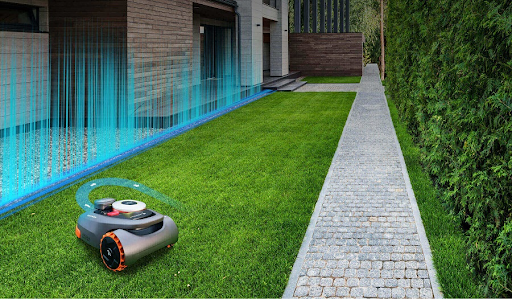
Most models work on a schedule you set through an app. The mower leaves its charging station, cuts the grass to your chosen height, and returns when finished or when the battery runs low. Some use boundary wires buried around the lawn’s perimeter to define their working area. Others rely on GPS and visual sensors to map the space and avoid obstacles. The latter technology is currently more popular and convenient for households.
Robot mowers use small razor blades that trim tiny amounts frequently. The clippings fall back onto the lawn, decomposing quickly and returning nutrients to the soil. This mulching approach means no grass disposal and continuous fertilization.
The London Garden Context
London gardens vary widely, but most share common characteristics. They’re smaller than the sweeping lawns found in rural areas. A typical garden in Chiswick or Fulham might measure 10 by 15 metres. Some in central Kensington are even more compact.
Garden layouts here also tend to be more complex. There are patios for outdoor dining and entertaining, raised beds for vegetables, perhaps a shed or summer house. Mature trees add character but create shade patterns that affect grass growth. Slopes aren’t uncommon, especially in areas with varied terrain.
Weather patterns add another layer. London sees rain year-round, but rarely in extreme amounts. Summers can be dry, winters mild. Grass grows actively from March through October, slowing but not stopping in winter. This extended growing season means maintenance demands stretch across most of the year.
Benefits of Robot Lawn Mowers for London Gardens
The most immediate benefit is reclaiming your weekends. Once programmed, a robot lawn mower handles cutting without your presence or input. You can be at work, out for dinner, or away for the weekend while it maintains the lawn. There’s no need to schedule time, check the weather forecast, or rush home before dark to finish the job.
Consistent Lawn Health
Frequent cutting promotes healthier grass. When a robot lawn mower trims small amounts every day or two, the grass plants experience less shock than when you remove a third of their height in a single weekly cut. This gentle approach encourages thicker, more resilient turf.
The mulching process provides continuous feeding. Those tiny clippings break down within hours, returning nitrogen and other nutrients to the soil. Over time, this natural fertilization reduces the need for chemical treatments. The lawn becomes more self-sustaining.
Environmental Advantages
Electric operation means zero emissions during use. No petrol fumes, no contribution to local air pollution. For a city where air quality is already a concern, this matters more than it might in rural areas.
Noise reduction is substantial. At 60 decibels, these machines run quieter than most household appliances. You can mow at any hour without disturbing neighbours, particularly valuable if you’re in a densely populated neighborhood.
Battery technology has also improved significantly. Modern lithium-ion batteries last longer, charge faster, and maintain performance over many years. The environmental footprint, while not zero, is considerably lower than petrol-powered alternatives.
Smart Features and Integration
Modern robot mowers have evolved beyond basic navigation. For instance, Segway Navimow model uses GPS positioning rather than boundary wires, mapping your garden through satellite technology. This eliminates the need to bury perimeter cables, making installation faster and flexible.
Most of a smartphone app control, that allows you to monitor progress, adjust settings, and receive notifications from anywhere..
Is It Worth the Investment?
Yes, it’s worth the investment. But for whom? Busy professionals.
If your weekends are already overscheduled and lawn maintenance feels like a burden, automation makes sense. The time saved accumulates quickly, and the mental relief of not having to think about mowing is worth something too.
Those currently paying for regular garden maintenance services should calculate the payback period. If you’re spending £800 or more annually on professional mowing, a robot mower pays for itself within two to three years while continuing to work for many more.
Homeowners who prioritize outdoor living spaces also benefit. When your garden is an extension of your home, especially with the bi-fold doors and outdoor cooking areas common in renovated West London properties, maintaining an attractive lawn becomes more important.
When to Consider Alternatives
Extremely small gardens might not justify the expense. If your lawn takes ten minutes to mow manually, spending over £1,000 for automation makes little practical sense unless you place extraordinary value on avoiding those ten minutes.
Rental properties present their own calculation. If you’re not staying long-term, the investment won’t pay back before you move. Landlords, however, might consider them as a value-add feature that maintains property appearance and appeals to tenants.
Long-term Value Proposition
Beyond the immediate time savings and cost recovery, robot mowers affect property presentation. Well-maintained lawns contribute to kerb appeal and overall property value. In West London’s competitive property market, where outdoor space commands premium pricing, this matters.
Quality of life improvements extend beyond money and time. The consistent appearance of a well-kept lawn, the elimination of a recurring chore from your mental checklist, and the flexibility to spend weekends as you choose rather than as the lawn demands, these benefits accumulate over years of ownership.
A five-to-ten-year lifespan means the cost-per-year decreases significantly over time. After the initial investment, annual costs drop to blade replacements and electricity for charging, typically under £50 per year. Compare this to continuing to pay £800-1,300 annually for professional services, and the financial case becomes clear.
Conclusion
Robot lawn mowers have moved from experimental gadgets to practical tools that suit London gardens well. They handle the unique constraints of urban outdoor spaces while delivering results that rival or exceed manual and professional maintenance.
Currently, the question isn’t whether these machines work in London gardens, they do. The question is whether the specific benefits they offer align with what you need from your outdoor space. For many West London homeowners, the answer is yes.
The investment makes most sense for time-poor homeowners with lawns between 100-500 square metres. Technology has matured enough that installation is straightforward, operation is reliable, and maintenance is minimal. These machines work as advertised when matched appropriately to your garden’s characteristics.