Few parts of London hold as much football in so small a space. Four league grounds sit within a short bus ride of each other. On a busy weekend the Fulham Road fills with scarves, and the riverside paths turn into queues. Yet the matchday you walk into this season looks a little different from the one you knew.
The change is about betting, and it reaches well beyond the stadium. Betting is now a global online trade that works in every language. Thai-language listings such as แทงบอลออนไลน์, meant only for adults where online gambling is lawful, are one example of that commercial market and not an endorsement. This piece looks at the rules shaping what West Londoners see, not at placing bets.
What Does a Matchday Look Like Across West London?
Each ground has its own rhythm, and locals tend to know them by the walk in:
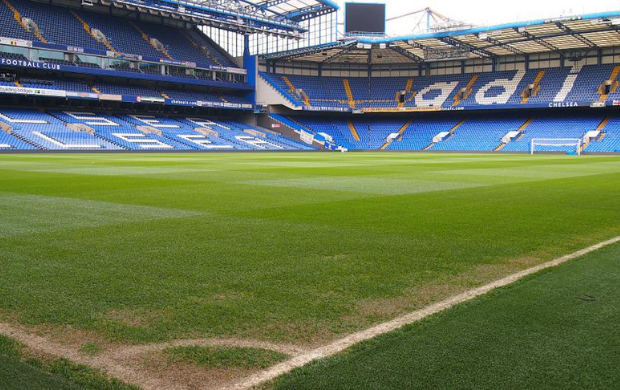
- Stamford Bridge, where Chelsea draw crowds along the Fulham Road and the King’s Road.
- Craven Cottage, Fulham’s home, reached through Bishops Park beside the Thames.
- Brentford’s Gtech Community Stadium, squeezed between railway lines near Kew Bridge.
- Loftus Road in Shepherd’s Bush, the compact home of Queens Park Rangers.
The pubs fill first. Many supporters never reach a turnstile at all and settle in front of a screen instead. Local venues have long built events around big tournaments, from sports screenings and themed menus to private rooms booked months ahead.
Not every fan wants the noise, though. A quieter local such as The Chelsea Ram suits a post-match supper better than a packed screening. Either way, the pub is where most West Londoners meet the commercial side of football.
Why Are Betting Logos Leaving the Front of Shirts?
For years, a gambling brand across the chest was routine in English football. That is ending at the top level. On 13 April 2023, clubs agreed to withdraw gambling sponsorship from the front of matchday shirts. It was the first UK sports league to do so voluntarily.
The change applies from the 2026/27 season, the one now under way. Clubs were given time to find new partners before old deals expired. Several shirts across the league carry different names this autumn as a result.
The rule is narrower than many fans assume:
- It covers the front of the matchday shirt only.
- Sleeve sponsorship by betting firms is still allowed.
- Pitchside boards and digital hoardings are not covered by the pledge.
- Clubs below the top flight are not bound by it.
So betting brands have not vanished from a West London stadium. They have moved from the most visible spot to quieter ones.
What Changed for Betting Adverts During Live Games?
Television tells a similar story. Since 2019, bookmakers have followed a voluntary “whistle to whistle” rule. It bans their TV adverts during live sport shown before the 9pm watershed. The watershed is the point after which broadcasters may show content less suited to children.
In practice, the rule works like this:
- No betting adverts from five minutes before kick-off.
- None during the match itself, including half-time.
- None until five minutes after the final whistle.
- Horse and greyhound racing coverage sits outside the rule.
Advertising codes tightened again on 1 October 2022. Under the strong appeal test for gambling ads, adverts can no longer use people who strongly appeal to under-18s. In practice, that ruled out most star footballers and many social media personalities.
Taken together, these steps aim at one goal. Younger fans should see less betting content around the game they love.
How Does UK Law Treat Betting In General?
In Great Britain, betting is legal and regulated under the Gambling Act 2005. Operators must hold a licence from the Gambling Commission to serve British customers. Every bet requires the customer to be 18 or over.
That model is one of several around the world. Some governments grant licences to online operators, while others keep gambling as a state monopoly. In many places, Thailand among them, most betting is simply illegal. The law of the country you live in is the one that applies to you.
What Should Every Reader Keep In Mind?
This is general information only, not legal or financial advice. Betting is for adults, and only where online gambling is lawful.
Treat any bet as paid entertainment, never as a source of income. Every bookmaker builds a margin into its prices, so the house always holds an edge over time.
Help is free if gambling stops feeling like fun. The National Gambling Helpline, run by GamCare, is open day and night on 0808 8020 133. Calling early is easier than most people expect.
Frequently Asked Questions
Are Betting Sponsors Banned From All Football Shirts?
No. The pledge covers only the front of top-flight matchday shirts. Sleeves, training kit and clubs in lower leagues sit outside it.
Why Did Clubs Agree to the Change?
It followed a long government review of gambling law. Clubs chose a voluntary step rather than wait for a possible statutory ban.
Will I Still See Betting Adverts While Watching In a Pub?
You may see them around a broadcast, but not during live play before 9pm. Pitchside boards can still show betting brands.
Is Online Betting Legal Everywhere?
No. It is licensed in Great Britain but banned or tightly restricted in many countries. Always check the law where you live.
A Familiar Walk With a Quieter Backdrop
The walk to the ground has not changed much. The same pubs open early, the same crowds spill across the bridges, and the same songs drift over the river. What has changed is the backdrop.
Fewer betting logos sit on the shirts you see. Fewer adverts interrupt the match before the watershed. For a borough that loves its football, that is a shift worth understanding, whatever your view of the game around it.