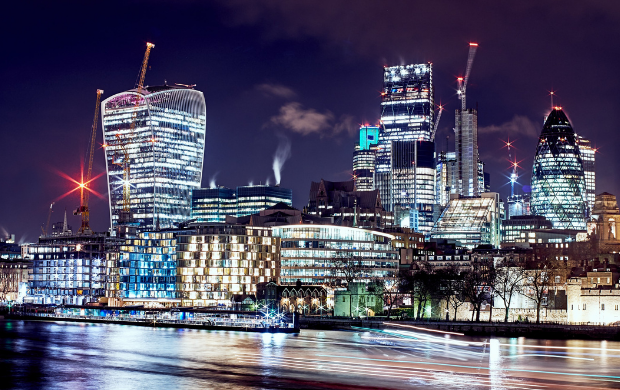
Modern buildings are becoming so much more than just bricks and mortar; they’re transforming into living, breathing, intelligent spaces. This whole “smart building” idea is changing how we experience our homes and workplaces. It’s not just about simple automation anymore; it’s about creating environments that are super efficient, safe, and comfy. This big shift means bringing together all sorts of tech to manage everything from how much energy we use to how happy and healthy the people inside are. It’s really changing what we expect from city life.
What Defines a Smart Building
So, what exactly is a smart building? Well, it’s way more than just a place with a few connected gadgets. Think of it as a facility that uses a whole network of Internet of Things (IoT) sensors and systems to gather and crunch data in real time. Then, it uses that information to automatically run and control the building’s operations. Experts say that smart buildings are really about how connected everything is. These buildings have a kind of central nervous system that links up everything: heating, ventilation, and air conditioning (HVAC), lighting, security, even the elevators. This interconnectedness lets different systems chat with each other, making smart decisions to work better, save energy, and just make the whole environment nicer for everyone inside.
Optimizing Operations with Technology
One of the coolest things about smart buildings is how they can really smooth out operations and cut down on costs. By using all that data from sensors, building managers can switch from just fixing things when they break to actually predicting problems before they happen. For example, a sensor on an HVAC unit might pick up on weird vibrations or temperature changes, giving a heads-up that something’s about to go wrong. This means they can schedule repairs ahead of time, avoiding those expensive emergency breakdowns and frustrating downtime. Plus, smart lighting and climate control systems can adjust automatically based on who’s actually in a room, dimming lights and reducing airflow in empty spaces. This doesn’t just save energy; it also helps equipment last longer, which is a huge step forward in smart building technology trends.
Beyond Basic Building Security
These days, keeping a place secure means a lot more than just a lock and key. Smart buildings offer integrated security solutions that give you a full picture of the property. This includes smart access control, letting managers grant or take away entry permissions remotely and keeping a detailed log of who goes where and when. You can even combine this data with other systems for even better safety. For instance, a unified security platform can link access control events with a video management system to bring video and other security data together in a single interface. This gives security teams greater situational awareness and can help them respond to incidents more efficiently.
Enhancing Occupant Experiences
Beyond just making things run smoothly, smart buildings are really designed with people in mind. The tech aims to make things more comfortable, convenient, and productive for residents and employees alike. Imagine walking into an office where the lights and temperature automatically adjust to exactly how you like them. Or living in an apartment building where you can use your phone to book amenities, snag a parking spot, or even give temporary access to a visitor. These features get rid of those little daily annoyances and really boost your quality of life. Smart systems can also keep an eye on air quality, checking CO2 levels and pollutants, and automatically increasing ventilation when needed to make sure the indoor environment is healthy.
The Future of Urban Infrastructure
The influence of smart buildings stretches far beyond their own walls. As more and more structures get connected, they become the building blocks for smarter, more sustainable cities. The same evolution is happening with video surveillance, as newer systems increasingly combine remote monitoring, analytics, and connected technology. You can gather data from lots of different buildings to help city planners understand how much energy is being used, manage traffic better, and improve emergency services. For example, a network of smart buildings could communicate with the electrical grid to collectively reduce their energy use during peak demand, helping to prevent blackouts. This kind of teamwork helps create urban infrastructures that are tougher and more efficient, paving the way for cities that aren’t just technologically advanced, but also much nicer places to live.
As this technology keeps evolving, it’s going to blur the lines even more between our physical and digital worlds, making our everyday surroundings much more responsive to what we need.