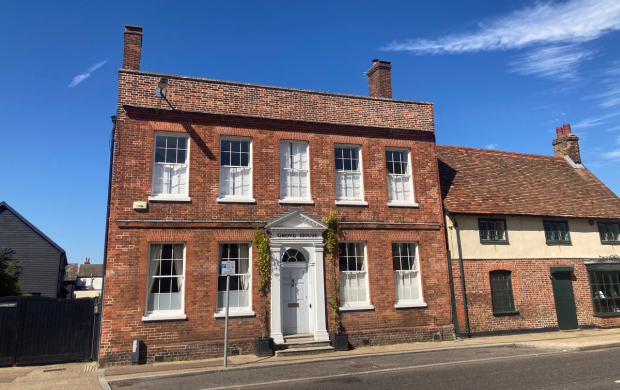
Renovating a period home in West London often means someone ends up off the ground. Painting high ceilings, clearing gutters, or repairing a roof all carry real risk. One slip from a ladder can turn a weekend project into a hospital visit.
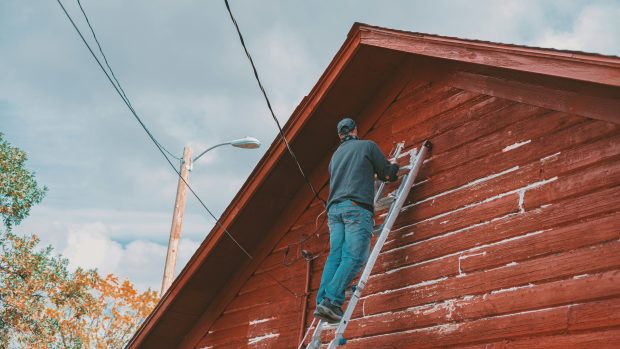
That risk is easy to manage once you plan for it. Before any elevated task, a proper risk assessment for working at height helps you spot hazards early. It matters whether you climb the ladder yourself or bring in a tradesperson.
Why Does Height Safety Matter During Home Renovations?
Working at height means any task where a fall could cause injury. That covers roofs, ladders, scaffolding, and even a step stool near a stairwell. The height does not need to be dramatic to be dangerous.
Home accidents are more common than many people expect. Falls are the single biggest cause of accidental injury in the home. The latest home falls figures show almost 450,000 A&E attendances from falls in England in 2023.
Renovation work raises that risk further. Old brickwork, steep Victorian roofs, and uneven floors add hazards that a modern flat may not have. West London’s older housing stock is charming, but it demands respect during any upgrade.
Planning each job around safety keeps a project on track. A short delay to set up properly costs far less than an injury. It also protects anyone else living in or visiting the home.
Which Home Jobs Count as Working at Height?
More household tasks qualify than you might think. Any job above ground level where a fall is possible counts as work at height.
Common examples during a renovation include:
- Clearing leaves and debris from gutters and downpipes.
- Cleaning or replacing windows on upper floors.
- Painting high walls, ceilings, or exterior render.
- Repairing roof tiles, chimneys, or flashing.
- Fitting loft insulation or boarding a loft space.
- Installing lighting, curtain poles, or shelving near the ceiling.
Each task needs its own quick check. A ground-floor window is low risk, while a third-floor gutter is not. Choosing the right window blind options is simple, but fitting them safely at an upstairs window takes more care.
How Do You Assess the Risk Before a Job Starts?
A risk assessment is a simple review of what could go wrong and how to stop it. You do not need formal paperwork for a home job. A few minutes of honest thinking prevents most accidents.

Start by looking at the task, the height, and the surface below. Ask whether the job can be done from the ground first. A long-reach tool often removes the need to climb at all.
Guidance from the Health and Safety Executive urges everyone to avoid working at height wherever they can. When climbing is unavoidable, the right equipment becomes the priority. A ladder should sit on firm, level ground at the correct angle.
The safe setup for a leaning ladder is a 1 in 4 ratio. Place the base 1 metre out for every 4 metres of height. That angle keeps the ladder stable and stops the feet sliding away.
Finally, think about the weather and the people nearby. Wet or windy conditions make any height task far more dangerous. Keep children and pets well clear of the work zone until you finish.
What Should You Check Before Hiring a Tradesperson?
Bringing in a professional does not remove your interest in safety. A reputable tradesperson will welcome sensible questions rather than dodge them.
Before work begins, confirm these points:
- They hold relevant training or certification for work at height.
- They carry public liability insurance for accidents on your property.
- They provide and use their own access equipment, such as towers or scaffolding.
- They can explain how they will control the risk for your specific job.
- They give a clear quote that includes safe access, not only the repair itself.
A contractor who dismisses these questions is a warning sign. Good tradespeople plan their access before they plan the actual work. The same care applies to major jobs like upgrading your home’s wiring, where reaching ceilings and lofts is routine.
How Can You Stay Safe Doing DIY at Height?
Some jobs are fine to handle yourself with basic care. The key is being honest about your own limits.
Use the right equipment for the task, not whatever is closest. A wobbly chair is never a substitute for a step ladder. Replace any ladder that is bent, cracked, or missing rubber feet.
Never work at height alone for anything demanding. A second person can steady a ladder and call for help quickly. Keep a phone in your pocket rather than on the ground below.
Know when to stop and pick up the phone instead. A steep roof, a fragile surface, or a two-storey job belongs to a trained professional. There is no prize for finishing a risky task on your own.
Points Worth Keeping In Mind
- Treat any task above ground level as work at height, however small it seems.
- Run a quick risk check before every job, even a five-minute one.
- Try to complete the work from the ground before you reach for a ladder.
- Set a leaning ladder at a 1 in 4 angle on firm, level ground.
- Vet a tradesperson’s training, insurance, and access plan before they start.
- Leave steep roofs and fragile surfaces to a qualified specialist.
Safety Is the First Step of Any Project
A beautiful renovation counts for little if someone gets hurt reaching it. A short pause to assess the risk protects your family, your budget, and your tradespeople. Plan the access first, and the rest of the job follows far more smoothly.
Frequently Asked Questions
Do I need a risk assessment for a small home job?
Yes, even a quick mental check counts. For any task where a fall could hurt you, take a moment to review the hazards first. It takes only a few minutes and prevents most accidents.
What is the safest ladder angle for home use?
Set a leaning ladder at a 1 in 4 ratio, roughly 75 degrees. Place the base 1 metre out for every 4 metres of height. Always stand it on firm, level ground.
Should I do roof work myself or hire a professional?
Roof work is high risk and best left to trained specialists. Steep pitches, fragile tiles, and chimney repairs cause serious injuries every year. A qualified roofer brings the right access equipment and insurance.
How do I check if a tradesperson works safely?
Ask about their training, insurance, and access equipment before they start. A reliable contractor will happily explain how they control the risk. Vague or dismissive answers are a good reason to look elsewhere.