London has seen famous names come and go, but a handful have kept people interested for generations. What’s their secret, and can the next generation of icons do the same?
You don’t have to be an art lover to recognise Frida Kahlo. Her face appears on everything from T-shirts to tote bags, and now a major London exhibition is exploring how she became such a cultural icon. But London has a few icons of its own, including places that have been drawing crowds for generations. What is it about certain names and places that keeps us coming back?
Entertainment Has Its Own Changing Favourites
London has a long history of exclusive gambling clubs, although even the famous names don’t last forever. Crockfords began welcoming wealthy gamblers in the 1820s, but its modern Mayfair casino closed in 2023. The Clermont Club on Berkeley Square, once a favourite haunt of London’s high society, is also currently closed.
Casino entertainment hasn’t disappeared with these establishments. It’s simply available in a different form. Today, you can visit Casumo for online slots and live-dealer roulette, without needing a membership or a trip into Mayfair.
The contrast is interesting. London’s gambling institutions have come and gone, but other entertainment landmarks have remained popular for generations. Their stories offer a different perspective on what makes a place iconic.
Frida Kahlo Became Bigger Than Her Paintings
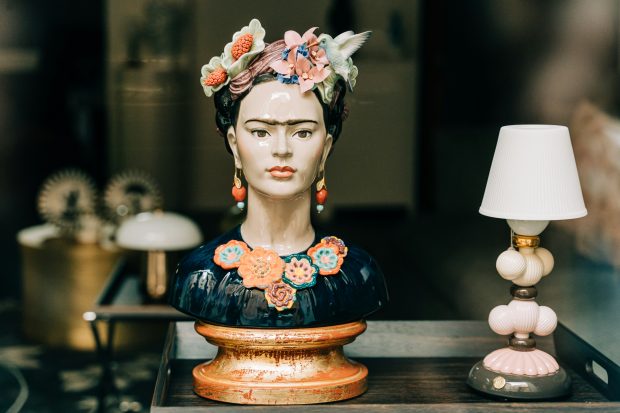
Frida Kahlo’s face is instantly recognisable, even among people who have never stood in front of one of her paintings. Her distinctive eyebrows and colourful clothing have become part of popular culture, appearing on everything from clothing to household decorations.
That recognition is remarkable for an artist who died in 1954. Her paintings were deeply personal, drawing on her experiences of physical pain and her complicated relationship with Diego Rivera. Today, her image reaches audiences who know little about the experiences behind the artwork.
The exhibition Frida: The Making of an Icon at Tate Modern explores that transformation, bringing together more than 30 of her works and examining the commercial products that have carried her image around the world. The exhibition runs until 3 January 2027.
There’s an interesting question behind all those Frida T-shirts. Does recognising an artist’s face mean you understand their work?
Probably not, but recognition can be a useful introduction. Someone who first encounters Kahlo through a poster might eventually become curious about her paintings. The exhibition offers an opportunity to discover the woman behind an image that has become famous in its own right.
The Electric Cinema Has Earned Its Reputation
Portobello Road has plenty of character, but the Electric Cinema has something that newer entertainment venues cannot easily acquire. It has been part of Notting Hill for well over a century.
The building was constructed between 1910 and 1912 to a design by architect G. S. Valentin. Its Edwardian Baroque interior helped secure Grade II* listed status on 8 February 1974.
Cinema has changed enormously since the building opened. Sound arrived, colour became standard and digital projection eventually replaced traditional film equipment. The Electric has continued welcoming audiences throughout much of that history.
Its reputation rests on the experience people can still enjoy there, rather than its age alone.
Bluebird Found a Second Life on King’s Road
Bluebird Chelsea offers another interesting example of a London landmark finding its place in modern life.
The building opened in 1923 as a motor showroom, when King’s Road was a rather different destination from the fashionable shopping street we know today. Its association with cars eventually gave way to hospitality, and the building became one of Chelsea’s recognisable dining addresses.
There’s something appealing about a place that finds a completely new purpose without losing its character. The original architecture gives Bluebird a sense of history, but people visit today for a meal or an evening with friends.
Its reputation has survived because the building remains useful to the neighbourhood, even though nobody is turning up to buy a motor car.
The Royal Albert Hall Still Draws a Crowd
The Royal Albert Hall has followed a different path. Opened in 1871, it remains a performance venue, welcoming audiences to the same extraordinary building that entertained Victorian London.
Its programme has changed considerably, of course. Classical concerts share the calendar with contemporary performers, giving successive generations their own reasons to visit.
You might recognise the building immediately without knowing much about its history. That’s part of its appeal. The venue carries a reputation established across 155 years, but every new performance gives audiences another reason to return.
The hall has retained its original purpose while continuing to accommodate changing musical tastes.
An Icon Needs More Than a Famous Name
Frida Kahlo’s exhibition reminds us that recognition can outlive the person who earned it. London’s established venues demonstrate something similar, although their reputations depend on continuing to welcome people.
History gives these names their character, but continued interest keeps them relevant. Whether you’re discovering Kahlo’s paintings or enjoying an evening somewhere Londoners have visited for generations, there’s still something worth experiencing.