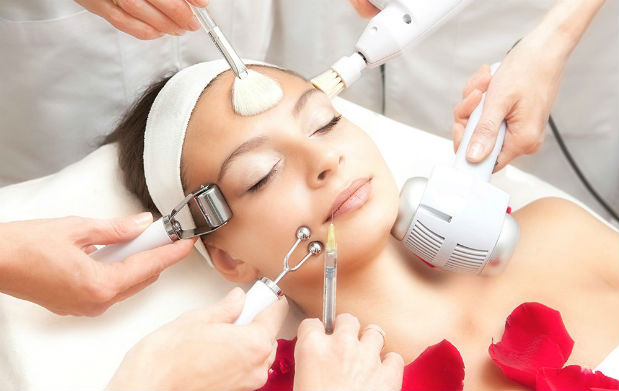
For beauty therapists ready to move into advanced skin treatments, plasma pen training is consistently one of the most requested courses on the market. It’s easy to see why: demand for non-surgical alternatives to blepharoplasty and traditional skin tightening has grown steadily over the past several years, and clients are often willing to pay a premium for a therapist who can offer it safely and confidently. For salons and independent practitioners alike, this makes it one of the more financially attractive skills to add to a treatment menu.
Good training goes well beyond “how to hold the device.” A proper course will cover skin assessment and consultation techniques, identifying which clients are genuinely suitable candidates, managing expectations around scabbing and downtime, and understanding exactly how a plasma fibroblast pen creates its tightening effect through controlled thermal disruption of the skin’s surface. Therapists who skip this depth of learning are far more likely to run into complications, inconsistent results, or dissatisfied clients later on. In an industry increasingly scrutinised for poorly regulated cosmetic procedures, that’s a risk no serious practitioner should be willing to take.
When you’re comparing providers, a few things clearly separate a strong course from a weak one:
- Live model practice, ideally across a range of skin tones, ages and areas of the face and body, so you’re not left guessing how the device behaves on skin different from what you trained on.
- Clear contraindication training, including who should never receive the treatment — such as clients with keloid scarring tendencies, certain skin conditions, or those who are pregnant.
- Business support, such as consent forms, aftercare leaflets, pricing guidance and marketing materials to help you launch the service smoothly.
- Certification recognised by insurers, so you can actually obtain the cover needed to legally and safely practise once qualified.
- Post-course mentorship, whether through a private group, email support, or scheduled check-ins during your first few months of treating clients.
It’s also worth asking whether the training includes refresher access or an ongoing community of past students. Fibroblast work is a skill that improves significantly with feedback and repetition, and the best providers stay involved long after certification day. Many experienced practitioners will say their technique changed meaningfully between their first ten and first hundred treatments — a good training provider should support that growth, not just the starting point.
There’s also a wider professional benefit to taking this seriously. As plasma fibroblast treatments continue to grow in popularity, clients are becoming more discerning about who they book with, often asking directly about a therapist’s qualifications and experience before committing. Being able to demonstrate thorough, reputable training can be the deciding factor in winning that booking over a competitor.
It’s also worth thinking beyond the initial certification when planning your training budget. Many therapists find that their first few months of practising fibroblast treatment involve a steep learning curve, even after a thorough course, simply because every client’s skin behaves slightly differently. Providers that offer paid or complimentary refresher days, or the option to shadow a senior practitioner for a few sessions, tend to produce more confident and consistent practitioners in the long run. If a provider doesn’t offer this, it’s worth asking whether they can recommend somewhere else you could get supervised extra practice before working entirely independently.
Insurance is another detail that’s easy to overlook amid the excitement of learning a new skill, but it’s essential to check before you even book a course. Some insurers require training from specific accredited bodies, so it’s worth confirming with your insurer, or a prospective one, exactly what evidence of training they’ll accept before you commit your time and money to a particular provider.
For therapists serious about upskilling, investing in thorough, hands-on plasma pen training is one of the clearer ways to differentiate a treatment menu, build client trust, and meet a genuine and growing gap in demand within the beauty industry.