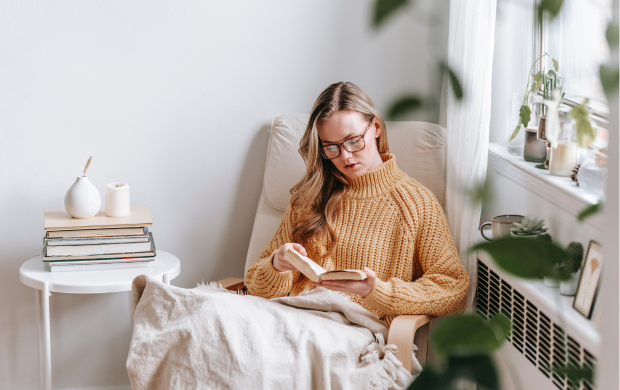
Emerging wellness habits highlight how managing evening light exposure helps protect natural sleep cycles and improve daily rest.
You line up your nightly routine, shut down your work computer, and settle onto the couch for a quiet hour of reading or television. Bright overhead bulbs and ambient screens keep your surroundings glowing long past sundown. Urban routines mean your eyes soak in artificial illumination during hours meant for physical unwinding.
Controlling light exposure after dark offers a direct pathway toward restorative rest. Adjusting your surroundings and wearing protective gear helps realign your body with natural daily patterns.
Why Does Late-Night Light Exposure Disrupt Your Sleep Body Clock?
Your brain relies on environmental cues to signal when night begins. Research from the Sleep Foundation indicates that darkness triggers the pineal gland to release melatonin, whereas artificial brightness slows or stops that process. Bright light sends false morning signals directly to your brain.
Unnatural glare during late hours tricks your body into staying alert. Your heart rate remains elevated, and your nervous system stays active. Protecting your eyes during the critical hours maintains your body’s natural clock.
How Do Modern Screens Impact Your Visual Comfort and Nightly Recovery?
Modern living demands long hours spent facing digital displays and intense indoor illumination. Adding dedicated evening eyewear into your nightly habits helps minimize harsh glare before bedtime. Filtering blue light preserves visual comfort and creates a smooth transition toward bedtime relaxation.
Prolonged screen exposure before sleep taxes your eye muscles significantly. Constant refocusing under sharp artificial glare causes fatigue and dryness. Reducing intense blue exposure gives your vision a chance to rest.
Addressing Digital Strain
Working or relaxing near bright displays places continuous demands on your visual focus. Giving your visual system adequate protection reduces end-of-day eye fatigue.
Lowering screen brightness and taking regular visual breaks relieves immediate physical tension. Position your displays away from reflective background lights.
Reducing exposure to intense wavelengths protects eye comfort during long evening sessions. Gentle ambient lighting keeps your eyes from straining against dark backgrounds.
What Strategies Help You Reclaim Control Over Your Evening Environment?
Building a soothing home setting involves practical adjustments to lighting setups. Swapping bright white bulbs for warmer, dimmable choices lowers total optical stress across your living space.
- Lower ambient illumination: Dimming overhead fixtures two hours before sleep encourages physical relaxation.
- Filter screen output: Using night mode settings on devices reduces harsh blue spikes.
- Wear specialized lenses: Putting on tinted lenses protects your vision from remaining household lights.
Creating a shaded buffer zone before sleep trains your brain to wind down. Consistent light management transforms your bedroom into a dedicated recovery space.
How Can Targeted Spectacles Transform Your Bedtime Environment?
A clinical trial indexed on PubMed Central found that wearing partial blue light-blocking glasses for three hours before bed significantly advanced sleep onset timing. Specialized amber or red lenses filter out disruptive wavelengths that interfere with your internal rhythm. Wearing specialized lenses creates an ideal optical environment for your body to prepare for rest.
Integrating protective frames into your routine signals to your brain that rest approaches. You can read, organize your home, or watch a movie without delaying your sleep schedule. Consistency in wearing your frames builds a strong cue for quality sleep.
What Key Features Should You Look For in Nighttime Lenses?
Selecting proper protection requires looking at lens color, coverage, and comfort. High-quality nighttime frames absorb specific blue and green light frequencies responsible for suppressing melatonin. Premium lenses block high percentages of targeted light without warping visible contrast.
Lightweight frames with wrap-around coverage prevent side glare from entering your field of view. Comfortable nose pads and sturdy hinges make wearing them a natural part of your evening. Finding a style that fits well makes long-term daily adoption seamless.
How Do You Integrate Light Management Into Your Daily Unwinding Routine?
Creating lasting health improvements starts with small, consistent habits. Placing your protective spectacles next to your sofa or nightstand makes them easy to put on each night. Setting a fixed time to power down bright overhead lamps reinforces your internal clock.
Combining protective optical gear with low ambient lighting establishes a calming sanctuary. Your mind learns to associate softer illumination with bedtime, leading to deeper sleep. Steady practice turns these actions into effortless nightly self-care.
Proactive light control empowers you to safeguard your nightly recovery and build healthier sleep habits. Choosing dedicated light-filtering gear alongside warmer home lighting sets up your mind and body for deep, rejuvenating sleep each night.