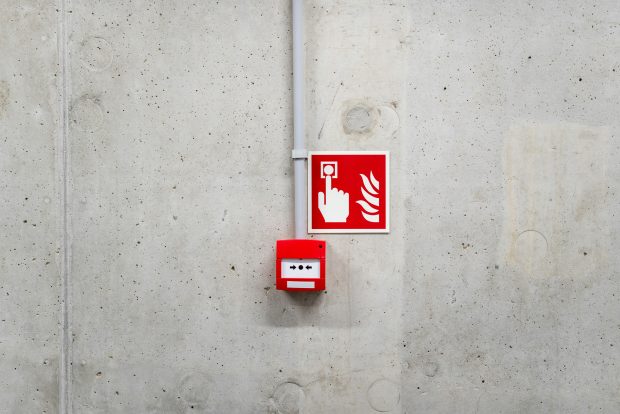
Fire is one of those risks we rarely think about until it is too late. Yet a fire can start in seconds and change everything, whether at home or at work. A little awareness is the simplest and most effective form of protection there is.
The good news is that most fires are preventable with basic knowledge and habits. Fire Safety Awareness Training delivers sessions that give people the confidence to spot hazards and act calmly. This guide covers the essentials: what causes fires, how to prevent them, and what to do if one starts.
Why Does Fire Safety Awareness Matter?
The numbers make the case plainly. UK fire services attend around 150,000 fires every year, many of them entirely avoidable. Behind those figures are injuries, losses, and lives changed forever.
Awareness is what turns a potential tragedy into a near miss. A person who knows the risks spots a frayed cable or an overloaded socket before it ignites. They also know not to tackle a spreading fire themselves, but to get out. That same person acts quickly and calmly if the worst happens. Knowledge, quite simply, saves lives and property.
What Causes Most Fires?
Understanding the common causes is the first line of defence. Most fires start from a handful of everyday sources. Knowing them lets you watch for trouble.
The leading causes include:
- Cooking. Unattended pans and hot oil.
- Electrics. Faulty wiring and overloaded sockets.
- Cigarettes. Careless disposal of smoking materials.
- Heaters. Portable heaters left too close to fabrics.
Most of these are avoidable with a moment’s care. A tidy, well-maintained space removes many risks before they arise. Clutter, by contrast, gives a small fire plenty of fuel to spread quickly. Awareness of these causes is half the battle won.
How Can You Prevent a Fire?
Prevention comes down to sensible, repeatable habits. None of it is complicated, and small actions add up. A safe home or workplace is a well-tended one.
A few key habits go a long way:
- Check electrics. Look for damaged cables and plugs.
- Avoid overloading. Do not daisy-chain extensions.
- Stay in the kitchen. Never leave cooking unattended.
- Store safely. Keep flammables away from heat.
Regular electrical checks matter most of all, and Portable Appliance Testing helps confirm that equipment is safe to use. In a workplace, a routine schedule keeps everything accounted for. Prevention is always easier and cheaper than recovery.
What About Fire Detection?
Even a careful home needs an early warning. Detection buys the precious seconds that let everyone escape safely. It is the single most important safety device you can fit.
A working smoke alarm roughly doubles your chance of surviving a house fire. Test yours monthly and replace the batteries as needed. Fit alarms on every level, and consider one in each main bedroom too. In larger properties, systems offering 24/7 Monitoring add another reliable layer of protection. An alarm that works is worth far more than a dozen you never test.
What Should a Fire Plan Include?
Prevention and detection are only two-thirds of the picture. Everyone should know exactly what to do if a fire starts. A simple plan makes all the difference under pressure.
A good plan covers the essentials:
- Routes. At least two ways out of each room.
- Meeting point. A safe spot outside to gather.
- Roles. Who helps children or older relatives.
- Practice. Regular run-throughs so it sticks.
A clear escape plan, known routes, and an agreed meeting point outside are the basics. Keep exits clear and keys where everyone can find them in a hurry. In any workplace, an official fire risk assessment is a legal duty, not an optional extra. Detailed guidance on workplace fire safety sets out what employers must do. Practise the plan so that, in a real emergency, everyone moves on instinct rather than panic.
Making Fire Safety Second Nature
Fire safety is not about living in fear; it is about building simple habits that protect what matters. Learn the common causes, prevent them with sensible routines, and fit alarms that actually work. Have a clear plan, practise it, and make sure everyone around you knows it too. A few minutes spent preparing today can save a life tomorrow. Handled that way, fire safety becomes second nature, and a serious risk becomes a manageable one.
Frequently Asked Questions
How Often Should I Test My Smoke Alarms?
Test smoke alarms at least once a month by pressing the test button. Replace the batteries when they run low or when the alarm signals it, and change the whole unit roughly every ten years. A smoke alarm only protects you if it works, so this quick monthly habit is one of the most valuable safety routines any household can keep.
What Are the Most Common Causes of House Fires?
Cooking is the single biggest cause, especially unattended pans and hot oil. Electrical faults, overloaded sockets, careless smoking, and portable heaters placed too close to fabrics follow closely behind. The reassuring part is that nearly all of these causes are avoidable with a little care and awareness. Recognising them is the first step toward preventing a fire in your home.
Is Fire Safety Training Only for Businesses?
No, though workplaces have specific legal duties. The core principles of prevention, detection, and escape apply just as much at home. Businesses must carry out a formal fire risk assessment and train staff, but any household benefits from the same awareness. Understanding how fires start and spread helps everyone act sensibly, whether at work or at home.
What Should I Do if a Fire Starts?
Get everyone out, stay out, and call the emergency services. Do not stop to collect belongings, and close doors behind you to slow the spread. Follow your planned escape route to your meeting point. If your clothing catches fire, stop, drop, and roll. Having practised a simple plan beforehand is what allows people to act quickly and calmly in the moment.