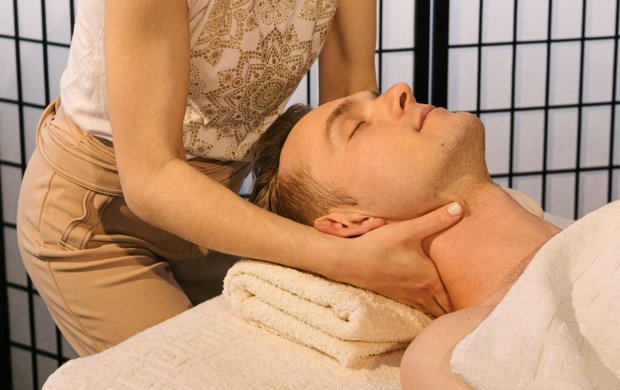
There are so many different approaches to massage. You can take a contact-heavy approach, such as deep tissue massage or sports rehab, or you can opt for something that’s a little more sensual or based in tradition. One such approach that falls into the latter category is Lomi Lomi massage, hailing from the tropical paradise of Hawaii.
Hawaii is a place with a lot of rich history and tradition, steeped in spirituality and an appreciation for nature, which is why it should be no surprise that it gave birth to such a unique form of physical therapy. But what is a Lomi Lomi massage and how does it differ from other forms of massage? This article will answer those questions, so you can determine whether Lomi Lomis is the right choice for your next massage booking.
How to define Lomi Lomi massage
Lomi Lomi is sometimes referred to as “loving hands”, which is an apt way to describe the experience under a trained therapist. It’s known as a slow, full-body experience, rather than being a high-intensity process that almost ‘attacks’ the tension in your muscles.
Elements that make Lomi Lomi unique
The flow and philosophy are what make Lomi Lomi so different from various other forms of massage.
-
- Long, continuous strokes. While many other forms of massage are largely focused on one muscle at a time, Lomi Lomi approaches the whole body in long, sweeping motions. The therapist applies their forearms and hands down from the shoulder all the way to the feet.
- Multi-part approach. In a similar vein, therapists might work two different areas of the body at once, such as taking one hand to the shoulder and the other on the opposite hip.
- Abdominal massage. Most Western massages don’t put any focus or pressure on the belly, but Hawaiian tradition considers the gut as an emotional centre, so these massages include gentle stomach work.
These are the physical elements that make Lomi Lomi significantly different from various forms of massage.
The spiritual elements of Lomi Lomi massage
Lomi Lomi massage is so much more than just a physical experience. Like much of Hawaiian culture, it’s rooted deeply in spirituality, which is why it can feel so much more connective.
- Wave emulation. The movements of Lomi Lomi are based closely around the ebb and flow of ocean waves, with a goal of overwhelming the brain into a state of surrender, so you lose yourself in the experience.
- Breathwork. The therapist and recipient need to be focused on deep, rhythmic breathing throughout the experience, lifting all ‘stagnant energy’ out of the body.
- Prayer and intention. Many therapists will begin the process with some sort of prayer to set a healing intention.
- Additional environmental elements. Some experiences might be enhanced with humming, chanting or traditional Hawaiian music to boost the vibrations.
These are the more connective, spiritual facets of Lomi Lomi training that everyone should consider when booking their experiences.
What you can expect from a Lomi Lomi massage
If you’re still not really sure what Lomi Lomi is going to feel like, there are a couple of primary elements that you can expect from it. The first being that you can expect a lot of oil and a lot less towel draping. It’s a fluid experience that’s best when you just go with it.
Secondly, it’s important to note this isn’t a ‘painful’ experience that’s designed for intense muscle restoration. It’s a relaxing process that’s meant to make you feel calm and floaty. If this sounds like your kind of massage, find a reliable therapist and book yours today.