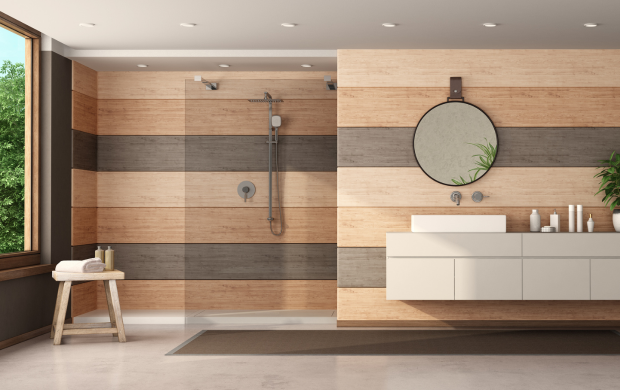
When renovating a bathroom in the UK, one of the biggest decisions you will face is how to set up your showering area. Modern bathrooms have moved away from the standard “shower over bath” setup, with more homeowners opting for dedicated showering spaces. However, this has led to a common debate: walk in shower enclosures vs shower cubicles.
While both options provide a dedicated place to wash, they offer very different experiences in terms of style, space-saving, and maintenance. Choosing the right one depends on the size of your room, your budget, and who will be using the shower daily.
In this blog, we will break down the key differences to help you decide which one is best for your home.
What Are Walk-In Shower Enclosures?
A walk-in shower is a modern, minimalist solution that usually consists of a low-profile shower tray and one or two fixed glass panels. Unlike a traditional shower, it has no door to open or close. You simply “walk in” to the showering area.
These enclosures are designed to feel seamless. Many UK homeowners use them to create a “wet room” look without the high cost of fully tanking the entire floor. Because they often feature frameless walk in showers, they allow light to flow through the room, making even a modest bathroom feel like a luxury spa.
Key Features:
- No moving parts or door hinges.
- Ultra-low profile or “hidden” shower trays.
- Large glass panels for a modern, open aesthetic.
- Ideal for large bathrooms or high-end renovations.
What Are Shower Cubicles?
Shower cubicles that UK households traditionally use are fully enclosed spaces. A cubicle consists of a shower tray and a combination of glass panels and a door. These doors can be hinged, pivoted, or, most commonly in smaller UK bathrooms, sliding door shower enclosures.
The primary purpose of a cubicle is to contain water and steam within a specific footprint. Because they are fully sealed when the door is shut, they are highly practical for busy family homes where keeping the rest of the bathroom dry is a priority.
Key Features:
- Fully enclosed with a watertight door.
- Available in various shapes (Square, Rectangular, Quadrant).
- Compact designs that fit into corners.
- Ideal for en-suites and smaller family bathrooms.
Walk In Shower Enclosures vs Shower Cubicles
To choose the right option, you need to understand how they compare across several categories. Here is the direct difference between a walk in shower and a shower cubicle setup.
Design and Aesthetics
Walk in showers are the clear winner for modern, high-end design. Because they use less hardware and often feature frameless glass, they look sleek and “invisible.” Shower cubicles, while functional, have more visible frames and handles, which can make a small room feel slightly more cluttered.
Space Requirements
If you are looking for the best shower enclosure for small bathrooms, UK homes often require a cubicle is usually the better choice. A corner shower cubicle (like a Quadrant) fits into a tiny footprint while still providing enough room to shower. Walk-in showers generally require more length; you need enough space for a drying area to prevent water from splashing out of the open end.
Installation Complexity
Shower cubicles are often easier to install as a “fit and forget” solution. They come as a kit that sits on a standard tray. Walk-in enclosures, however, often require more precise floor levelling. If you want the tray to be flush with the floor for a true walk-in feel, your installer may need to cut into the floor joists to recess the waste pipe.
Water Containment and Splash Control
A shower cubicle is completely watertight. Once the door is closed, no water escapes. In a walk-in shower, there is always a slight risk of “overspray.” Even with a large glass panel, a high-pressure power shower can bounce water off your body and onto the bathroom floor. This is why walk-in showers usually need a larger “splash zone” than a cubicle.
Accessibility and Ease of Use
Walk-in showers are significantly better for accessibility. Because there are no doors to navigate and often no steps to climb, they are much safer for elderly users or those with limited mobility. Cubicles, especially those with high-sided trays or narrow doors, can be more difficult to enter and exit.
Maintenance and Cleaning
One of the best benefits of a walk-in design is that there is less to clean. With no rollers, hinges, or tracks, there are fewer places for lime scale and soap scum to build up. Shower cubicles, particularly those with sliding doors, have tracks that require regular scrubbing to prevent mould.
Pros and Cons: A Quick Look
Walk-In Shower Enclosures
Pros:
- Stunning, modern appearance that adds property value.
- Easy to clean with fewer moving parts.
- Excellent accessibility for all ages.
- Creates a sense of space in larger rooms.
Cons:
- Requires more floor space to prevent splashing.
- Can feel “drafty” as there is no door to trap steam.
- Often more expensive to install correctly.
Shower Cubicles
Pros:
- Excellent at containing water and steam.
- Fits into very small or awkward corners.
- Generally more affordable for a basic setup.
- Keeps the bathroom warmer while you shower.
Cons:
- More hardware (hinges/rollers) that can wear out.
- Harder to clean in the corners and tracks.
- Can make a small bathroom feel “boxed in.”
Which One Is Better for Your Bathroom?
Choosing between these two depends on your specific situation. Here are three common scenarios:
1. The Small En-Suite
If you are working with a tiny en-suite, a shower cubicle is likely your best bet. An 800mm or 900mm Quadrant cubicle with sliding doors uses the corner of the room perfectly without requiring extra space for a door to swing open.
2. The Luxury Main Bathroom
If you have a larger room and want a “wow” factor, choose a walk in shower. It provides a high-end, architectural look that a standard cubicle cannot match. It makes the room feel like a continuous space rather than a series of separate boxes.
3. The “Forever Home” (Accessibility)
If you are renovating a bathroom with the intention of staying in the home as you age, a walk-in shower is the smarter long-term investment. The “level access” entry reduces trip hazards and makes the bathroom future-proof.
Cost Considerations in the UK
In the UK market, a basic shower cubicle is often the cheaper entry point. You can find “all in one” kits that include the tray and doors for a very competitive price.
Walk in shower UK retailers sell can vary wildly in price. While a single glass panel is inexpensive, the cost of a high-quality, low profile shower tray and the potential for extra tiling and waterproofing (tanking) can make the total project cost higher than a standard cubicle installation.
Summary: Making Your Choice
The main difference between walk in shower and shower cubicle options comes down to space and style.
- Choose a walk-in enclosure if you want a modern, easy-to-clean, and accessible bathroom and have enough room to manage the splash zone.
- Choose a shower cubicle if you have a small bathroom, need to stay within a strict budget, or want to ensure 100% water containment.
Both options will significantly improve your daily routine compared to an old-fashioned bath-shower combo. The key is to match the product to your room’s dimensions and your family’s needs.