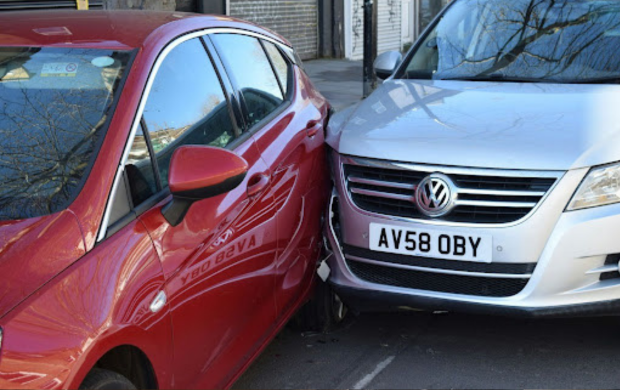
Each year, the crashes on the Scottish roads result in drivers, passengers, and pedestrians experiencing physical, emotional and financial problems. When such incidents happen, it is seldom easy to know who is on the wrong side. Determining liability, contributory fault, and applicable insurance laws are integral to resolving such incidents. It is essential to know your legal stand, whether it is to claim compensation or to defend a claim. At Watermans, they work hard to help people understand the differences.
How Liability Is Determined
Liability is the legal liability for the damages caused by an accident on the road. Civil liability in this case is usually founded on negligence in Scotland. This means the injured party must prove that the other individual failed to perform their duty to drive with care and that the negligence caused the injury or damage. Examples of negligent behaviour include speeding, distracted driving, disobeying road signs, and drunk driving.
Liability is often based on police reports, witness statements, dashcam footage, and photographs. Even though police penalties or warnings may be helpful, they do not necessarily establish liability in a civil claim. The facts are investigated by civil courts separately.
The Role of Contributory Negligence
In some cases, the injured person also contributed to the situation. Contributory negligence is used in these instances. This rule enables the courts to reduce compensation based on the extent to which the claimant’s behaviour contributed to the occurrence or aggravated their injuries.
For example, if a pedestrian crosses the road and is involved in an accident with a speeding vehicle while on the phone, both parties might be held responsible. If the court finds the pedestrian 25% at fault, the compensation awarded to them will be reduced by that percentage. Every case is decided on its facts; therefore, the outcome is usually determined by minute details.
How Insurance Comes Into Play
In Scotland, there are no regulations mandating a minimum level of third-party motor insurance for all drivers. This will ensure that, if an individual causes an accident, the insurer will typically bear the cost of any damage or injuries to others. In the event of a crash, each party’s insurers evaluate the available evidence, determine fault, and decide whether to pay the claim or deny it.
If both parties share responsibility, insurers can agree on a split-liability agreement. In such a case, the costs of the damages are divided between the two insurers based on their assessment of fault. The agreements help accelerate settlements and minimise legal expenses.
Disputes Over Responsibility
Accidents do not always have simple consequences. This may lead to disagreements when the stories presented by the individuals involved are inconsistent. In such cases, neither insurer may wish to accept liability, which delays the process. Once this occurs, there may be a need to engage solicitors or leave the courts to sort things out.
Individual researchers, such as accident reconstruction specialists, can be engaged to investigate factors including vehicle positions, road markings, and braking distances. Their contribution can help create a clearer picture of what actually occurred.
What Happens With Uninsured Drivers
There are instances in which an individual involved in an accident lacks insurance. This is where the Motor Insurers Bureau (MIB) steps in. The MIB provides a safety net for victims of collisions involving insured or untraceable drivers. Complaints are possible under the MIB, but there are some rules and time limitations.
Notably, the MIB can take longer to compensate than an ordinary insurance claim. The MIB must conduct its own research before issuing a decision or making a payment.
Time Limits and Legal Action
Individuals who suffer road accidents typically have three years from the date of the accident to commence legal action. This applies regardless of whether the injury is physical, psychological, or both. Unless there are exceptional circumstances, the right to claim compensation might be lost if no claim is made within this period.
Legal services can help ensure that required evidence is collected on time and that deadlines are not missed. Watermans will guide customers through every step, including starting the claims and assisting with court proceedings when necessary.
When Fault Is Shared Equally
In some exceptional cases, there are no clear circumstances in which the blame can be placed more on one side than on the other. The courts may then decide whether to divide the liability equally. The two parties share their losses or pay half of their claims. This is typically the case when there is no clear evidence or when both drivers were equally at fault for violating road rules.
Building A Clearer Picture After A Crash
Claims in Scottish road accidents do not just entail proving harm. They need to take a close examination of behaviour, evidence, legal responsibilities, and responsibility sharing. Knowledge of liability and fault helps people do the right thing after an incident. We aim to bring clarity and support during a challenging and confusing time at Watermans. Each case is unique, and each claim warrants a detailed, impartial evaluation. Be it a case of a single individual to blame or a collective of individuals, a good understanding of the legal structure is the key when it comes to getting what you rightfully deserve.