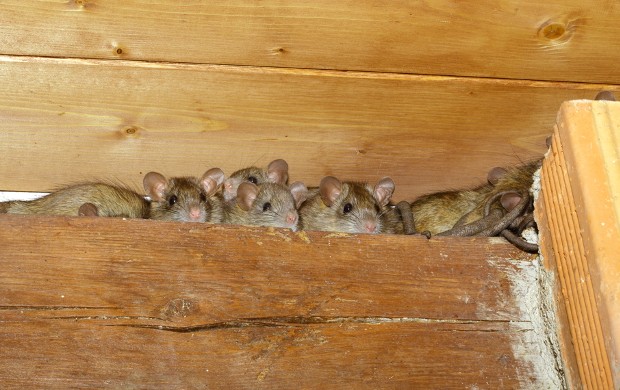
Most people believe pest problems announce themselves.
A rat in the kitchen. A wasp nest hanging from the eaves. Something so obvious it cannot be ignored. But that is not how infestations usually begin, especially in West London.
In reality, the majority of pest issues are not discovered because someone saw an animal. They are discovered because something else went wrong.
A cupboard smells damp. Electrical faults appear without explanation. Staff complain of scratching noises late at night. A tenant mentions bites that “might just be stress”.
By the time the cause is identified, the problem has often been present for months.
Why You Don’t See What’s Already There
Modern pests survive by avoiding detection. Rodents are nocturnal. Cockroaches retreat into warm service voids. Bed bugs live inside furniture seams. Birds’ nest behind fascia boards and solar panels.
West London properties give them plenty of opportunity.
Older housing stock with shared walls and ageing pipework creates countless entry points. Conversions and extensions introduce hidden cavities. Commercial buildings generate heat and food waste year-round.
The result is a landscape where pests can exist alongside people without ever being seen.
The Small Clues Most People Ignore
Pest controllers regularly report that infestations are first noticed through indirect signs.
A faint scratching sound was dismissed as pipes. Droppings mistaken for dirt. Damage attributed to wear and tear. Bins that seem to attract more activity than usual.
None of these feels urgent on its own. Together, they are often evidence of something established and growing.
For businesses, especially in hospitality, the consequences of missing those signs are severe. Infestations rarely surface during quiet moments. They surface during inspections, complaints, or busy periods when the risk is highest.
Why West London Is Especially Vulnerable
Density is part of the problem.
Terraced housing allows pests to move freely between properties. Restaurant clusters create shared food sources. Refuse areas, alleyways, and basements form natural travel routes.
Local pest specialists report that infestations rarely affect a single unit in isolation. They spread quietly through walls, ceilings and shared spaces, unnoticed until someone finally asks the right question.
Prevention Is Boring. Until It Isn’t
No one books pest control because it is exciting.
They do it after something goes wrong. After the call from Environmental Health. After the review appears online. After the damage is already done.
The uncomfortable truth is that most infestations could have been identified earlier through proper inspection and monitoring.
Local operators such as EcoCare PestControl Management focus heavily on finding problems before they become visible, because by the time you see pests, the story is usually already well underway.
The Question Worth Asking
The most revealing question is not whether you have seen pests.
It is whether you have ever checked properly.
If you cannot remember the last time your property was inspected, the answer may already be there, just out of sight.