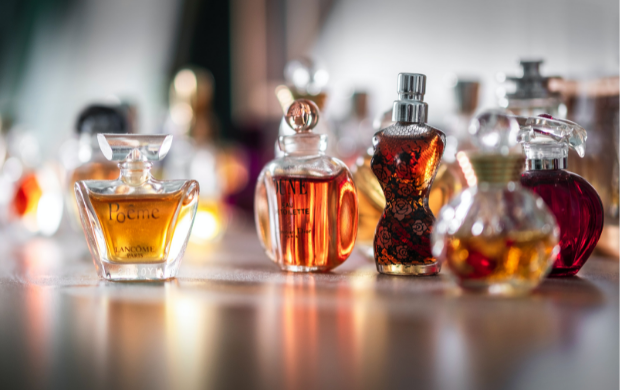
Perfume has always played a role in how people present themselves, but its place in daily life is undergoing a noticeable shift. Rather than being treated as a finishing touch applied without much thought, fragrance is increasingly seen as a deliberate choice that reflects mood, identity, and lifestyle. This change signals a deeper relationship between individuals and the scents they wear.
In recent years, consumers have shown greater care in selecting fragrances that feel meaningful rather than simply popular, with well-known scents such as Black Opium often acting as entry points into a more considered fragrance journey. Instead of purchasing impulsively, buyers are spending time understanding what they like, how a scent makes them feel, and when it fits best into their daily routine.
Moving Away From Habitual Fragrance Use
For a long time, many people relied on a single signature scent worn in almost every situation. While this approach still appeals to some, a growing number of consumers are moving away from habitual use and towards a more flexible relationship with perfume. Fragrance is no longer something applied automatically; it is chosen with intention based on context.
This shift reflects changing lifestyles. With work, social time, and personal activities blending more fluidly than before, people want scents that match specific moments. A fragrance worn during a busy workday may feel entirely different from one chosen for an evening out or a quiet day at home. This awareness has encouraged more thoughtful decision-making around scent.
Emotional Connection and Personal Meaning
Modern perfume use is strongly linked to emotion. Scents have the power to trigger memories, influence mood, and create a sense of comfort or confidence. As people become more aware of this connection, they are choosing fragrances that resonate on a personal level rather than those that simply follow trends.
This emotional aspect has led many consumers to describe fragrance as part of self-care. Applying perfume is seen as a moment of pause, a way to centre oneself before the day begins or to unwind afterwards. The scent becomes less about how it is perceived by others and more about how it makes the wearer feel.
A More Informed Consumer Mindset
Today’s fragrance buyers are generally more informed than in the past. Access to online reviews, detailed scent breakdowns, and digital fragrance communities has changed how people approach purchasing decisions. Rather than relying solely on in-store testing or advertising, consumers often research extensively before committing to a product.
This informed mindset has increased interest in ingredients, fragrance families, and longevity. People want to understand why a scent behaves the way it does on their skin and how it may evolve throughout the day. As a result, perfume buying has become a more intentional process that aligns with broader trends in mindful consumption.
Fragrance as an Extension of Identity
Perfume is increasingly viewed as an extension of personal identity, much like clothing or grooming choices. Rather than selecting scents purely to impress others, many consumers now look for fragrances that feel authentic to who they are. This has led to a rise in demand for scents that feel distinctive yet wearable.
Personal identity also plays a role in how often fragrance is changed. Some people rotate scents depending on mood, season, or environment, while others build small collections that reflect different aspects of their personality. This approach reinforces the idea that fragrance is not fixed but adaptable and deeply personal.
The Influence of Lifestyle and Environment
Lifestyle changes have had a significant impact on how perfume is used. Remote working, increased focus on wellbeing, and more casual social settings have all influenced fragrance preferences. Many people now favour scents that feel comfortable in close spaces and suit long periods of wear.
This does not mean that bold or intense fragrances have disappeared. Instead, they are chosen more selectively, often reserved for moments when a stronger statement feels appropriate. The key difference is that the choice is intentional, guided by environment and occasion rather than habit.
The Role of Layering and Customisation
Layering fragrances has become a popular way for consumers to personalise scent. By combining perfumes, body sprays, or scented lotions, individuals can create results that feel unique to them. This practice supports the move towards intentional fragrance use, allowing people to adjust scent strength and character throughout the day.
Customisation also reflects a desire for control. Rather than accepting a fragrance exactly as it is, consumers enjoy shaping how it develops on their skin. This experimentation further deepens the personal relationship between wearer and scent.
Shifting Expectations of Brands
As perfume use becomes more personal, expectations of brands are changing. Consumers increasingly value storytelling, transparency, and authenticity. They want to understand the inspiration behind a fragrance and how it fits into real life rather than idealised marketing scenarios.
Brands that acknowledge these expectations tend to focus on experience rather than excess. Packaging, communication, and product design are often more restrained, reflecting the idea that fragrance should enhance everyday life rather than dominate it.
What This Trend Signals for the Future
The growing intentionality behind perfume use suggests a long-term shift rather than a passing phase. Fragrance is becoming part of a broader conversation about self-awareness and personal wellbeing. As consumers continue to prioritise meaning over impulse, the industry is likely to see sustained demand for thoughtfully designed and versatile scents.
This trend also highlights a more mature relationship with consumption. People are not necessarily buying fewer perfumes, but they are buying with greater care. Each purchase is expected to serve a purpose, whether emotional, practical, or expressive.
A More Thoughtful Fragrance Culture
Perfume use today reflects a more thoughtful and personal fragrance culture. Scent is no longer just an accessory applied without consideration; it is a conscious choice shaped by mood, identity, and daily life. This evolution suggests that fragrance will continue to hold a meaningful place in modern routines.
As this approach becomes more widespread, perfume will likely remain one of the most subtle yet powerful ways people express themselves. Intentional and personal fragrance use marks a new chapter in how scent fits into contemporary living, balancing individuality with everyday practicality.