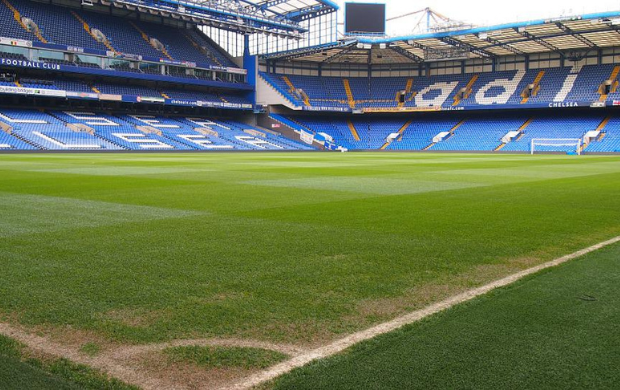
West London keeps four clubs close together: Chelsea, Fulham, Brentford, and QPR. That overlap shows up on the same Tube platforms and in the same Saturday plans. Chelsea has been at Stamford Bridge since 1905, so a lot of matchday habits feel inherited rather than invented.
The crowd has changed with housing prices, and match tickets cost more than they used to. Even so, plenty of regulars still treat matchday like a family appointment. A parent brings a teenager, who later brings friends, and the circle keeps growing.
Where betting fits, and where it doesn’t
In West London, most matchday habits stay social first. A small group adds responsible betting to the mix, usually as a side detail rather than the main event. That tends to work best when it stays planned and limited, like buying one extra round, not chasing a rush.
When fans talk about places to bet, the sensible conversation usually lands on basics: clear limits, simple withdrawals, and avoiding random Wi-Fi for anything involving money. It also helps to place bets before heading out, then keep the phone away once the pub chat starts. That keeps attention on the match and the people, which is the point of showing up.
The walk that starts the day
Matchday often begins well before kickoff. Many locals aim to arrive one to two hours early, because the build-up feels like part of the fixture. West Brompton becomes a meeting point, especially for people who like a slow walk toward Fulham Road. The streets near the ground funnel fans together, so conversations start naturally, even between strangers.
Derby days sharpen the routine. Some fans pick the same route every time, down to the same corner where the scarf comes out of the pocket. Others change it up, but still anchor the day around a familiar station exit and a familiar first stop.
Pubs that do the talking
West London pubs still act like informal clubhouses, even when the match sits on a screen instead of in a seat. McGettigan’s by Fulham Broadway draws a loud pre-match crowd, and the menu feels built for long viewing sessions. The Tommy Tucker often fills with Chelsea supporters and sits close enough for a quick walk to the ground. For a more mixed crowd, Lloyds No. 1 can work well for groups meeting from different parts of the city. The Wheatsheaf also shows up in matchday plans, especially for people who prefer a steadier pace.
A simple trick keeps the day smooth: pick the pub based on the first and last train, not just the atmosphere. That choice saves a lot of stress at full-time. It also keeps the focus on friends and football, instead of logistics.
What fans actually check on their phones
Phones rarely stay in pockets now, but the best matchday use stays light. Quick checks help settle debates, like who last scored in this fixture, or whether an injury update looks real. During tense moments, the second screen often turns into a group tool, with one person pulling up stats while others watch the play.
Before the list below, it helps to decide what counts as “useful” on a matchday screen. Too many tabs can hijack the day. A short set of go-to checks keeps things social and keeps attention on the match:
- Line-ups and late injury news from official club channels.
- Live match stats for shots, possession, and set pieces.
- Group chat for meet-up timing and seat changes.
- Public transport updates for the trip home.
After that, most fans put the phone down again, at least for a few minutes. The best conversations happen when people react in the moment. Even a quiet pub table feels more alive when nobody scrolls through the entire half.
Keeping West London matchdays social
The strongest matchday culture in West London comes from repetition, not spending. A regular coffee stop, a shared walk, and a familiar pub table do more than any highlight reel. For families and friend groups, the easiest win involves planning one non-football moment into the day, like a post-match meal or a short stroll along the river near Craven Cottage.
Over a long season, balance comes from keeping football as a connector. When the day ends with people already talking about the next meet-up, the ritual has done its job.