A window is an asset, not just a fixture. It frames the outer setting, directs light, and circulates air. Your choice of style affects how a space feels and works. Certain designs remain popular because they have maintained their fundamental qualities while adjusting to contemporary demands. Choosing the window that best supports your house is made easier when you are aware of the possibilities.
The Classic Vertical Slider
For homes in cooler, windier climates, performance matters. Today’s sash windows use advanced thermal barriers that drastically reduce drafts while keeping their traditional charm. If you’re considering double glazing in East Kilbride, updated vertical sliders can turn a period feature into an efficient, reliable choice.
These windows include two movable panels. Their appeal goes beyond sentimentality because of the superior ventilation provided by the vertical motion. A natural airflow is produced by slightly opening the top and bottom, allowing warmer air to exit above and colder air to enter below. They are therefore perfect for houses that have no outdoor area and multi-story homes. These days, smooth spring balances take the place of outdated pulley systems, and their grid-like bars can give an area a beautiful structure.
The Outward Hinged Casement
Hinged at the side and opening outward like a door, casement windows offer a full, unobstructed opening when they’re open. This brings generous airflow into the room. When shut, the sash presses firmly into the frame, creating strong weatherproofing and a clear, uninterrupted view.
Casements are particularly useful in rustic homes, cottages, and areas where soft breezes are desired. The primary factor to take into account is clearance; ensure that there is adequate room outside for the window to swing freely.
The Modern Horizontal Glider
Horizontal sliding windows move side-to-side along a track. Their biggest advantage is space-saving design: because they don’t project inward or outward, they’re ideal near walkways, decks, or behind furniture.
Wide slider layouts can produce a smooth transition to outdoor spaces, and their sleek, contemporary lines go well with modern architecture. The sole restriction is ventilation; only half of the window can be open at once.
The Versatile Tilt-and-Turn
This European-style window provides two functions in one. It can tilt inward from the top to allow safe, rain-resistant ventilation, perfect for airing out a room when you’re not home. With another handle position, it swings fully inward like a door, making cleaning simple and offering maximum airflow.
Tilt-and-turn windows work well in multi-storey buildings, above sinks, or anywhere that’s difficult to reach from the outside. Their multi-point locking system also offers excellent security.
The Fixed Picture Pane
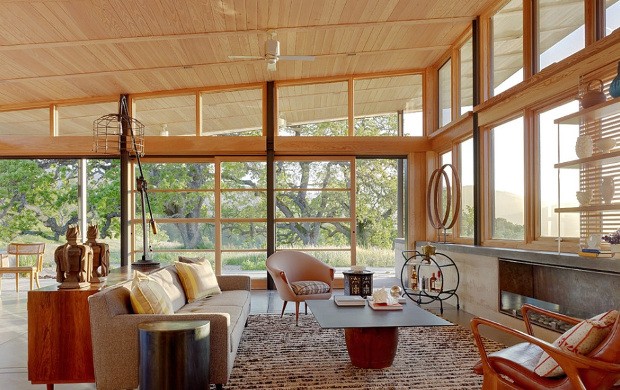
When the view is the star, a fixed picture window is ideal. These non-opening panes act like a frame for the outdoors, allowing the largest possible glass area. Because there are no moving parts, they’re also very energy-efficient.
Picture windows are excellent in areas where ventilation is provided elsewhere, or in spaces like entrance halls, stairwells, or living rooms where natural light and visual impact are priorities. They offer pure, uninterrupted connection to the outside world.
Selecting Your Instrument
So, how do you make a decision? Start with the room’s requirements. Does it need a lot of airflow, or is the objective to draw attention to a view? Is there a restricted amount of room inside or outside? Do you require simple interior cleaning? Climate is also important; in areas with different seasons, high-quality sealing and thermal efficiency are essential.
A window that blends into everyday life is the most appealing. It shouldn’t resist, rattle, or attract attention. In order to provide a seamless, comfortable link to the outdoors, it should discreetly control light and air. Select not only a window design, but also a dependable, largely discreet companion for your home.