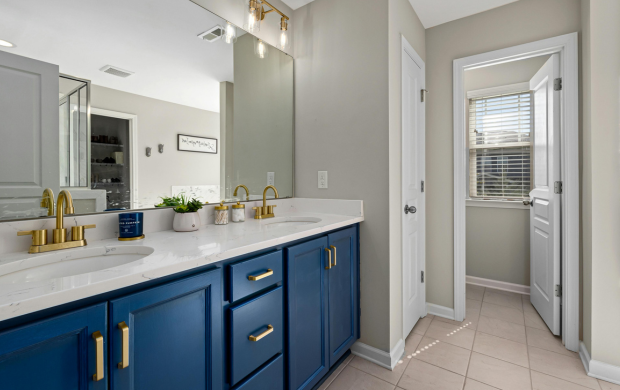
Picture a homeowner who has spent months dreaming about a brighter kitchen or a refreshed living room, only to hit stalls the moment quotes, schedules, and material choices collide. Their excitement fades as they juggle timelines, contractors, and shifting costs. That turning point is familiar, yet avoidable.
When renovation steps follow a clear rhythm, the year ahead becomes a chance to create spaces that support comfort, value, and long-term satisfaction.
Planning Your Project With Confidence
A renovation begins long before any contractor walks through the front door. Homeowners set the tone by approaching the project as a structured undertaking rather than a spur of the moment idea. Clear goals help guide everything that follows, including timelines, budgets, and design choices.
It helps to map out what you expect from the finished space. Some homeowners create mood boards, others jot down practical needs to address, and many refine their plans using project estimate templates from Joist.
Choosing the Right Contractor in Today’s Market
The contractor relationship influences everything from timeline efficiency to communication quality. Homeowners move through the selection process with curiosity and caution, starting with detailed conversations about scope, pricing, and expectations. Reputable contractors provide examples of past projects along with references you can speak to directly.
A thoughtful contractor search usually includes several steps that help build trust. Homeowners:
- Compare multiple quotes
- Verify certifications
- Examine insurance details
- Ask about typical workday routines
This is also the time to ask how the team handles unexpected structural surprises, how clean the site stays throughout the project, and how communication will occur when scheduling adjustments arise.
Strong contractor partnerships usually begin with transparency. When both parties understand the goals, timeline structure, and workflow sequence, renovation stress can drop dramatically.
Budgeting in a Way That Keeps Stress Low
A renovation budget is most effective when it blends structure with flexibility. Homeowners who prepare early often navigate costs with far less anxiety. They typically begin by establishing a realistic total, followed by a breakdown of potential expenses such as materials, labor, and specialist fees.
A well-planned budget usually includes a cushion to absorb costs for minor electrical updates, layout changes, or small repairs discovered once walls are opened. Homeowners also track prices for tile, countertops, fixtures, and cabinetry through several retailers to help avoid surprises.
Managing expenses becomes easier when homeowners incorporate tools that help them visualize cost ranges. Detailed estimates, side-by-side comparisons, and itemized lists enable smart substitutions when needed. Many also set aside a timeline-based consideration, since extended schedules sometimes result in small increases in labor or materials.
Preparing Your Home Before Renovation Begins
Preparation at home often determines how calm the renovation process feels once the work begins. Homeowners create staging areas for furniture, move valuables to protected storage, and make temporary living adjustments when kitchens or bathrooms are being updated.
It helps to think through day-to-day routines and identify areas that need temporary adjustments. Families with pets may designate a quiet room away from the workspace. Those who work remotely often set up an alternate desk to avoid noise. Many also cover floors, organize pathways for workers, and label boxes so items can be returned to their original places with ease.
Maintaining Clear Communication Throughout the Project
Communication is one of the strongest predictors of a stress-free renovation. Homeowners benefit from weekly check-ins, written updates, and regular reviews of progress photos. Contractors appreciate homeowners who ask questions early and express concerns before minor issues become significant.
Communication routines tend to include several helpful habits. Homeowners document changes in writing, clarify fixture or finish selections, and remain available for brief check-ins on critical installation days. They also develop a shared understanding of:
- Work hours
- Safety guidelines
- Cleanup routines
- Noise expectations
- Where tools and materials will be stored
Finishing Strong and Enjoying the Final Result
The final stage of a renovation often brings a satisfying sense of momentum. Homeowners walk through the new space with the contractor to confirm that everything matches the original vision. This includes checking paint quality, confirming that drawers and doors operate smoothly, and testing lighting or plumbing fixtures to ensure proper installation.