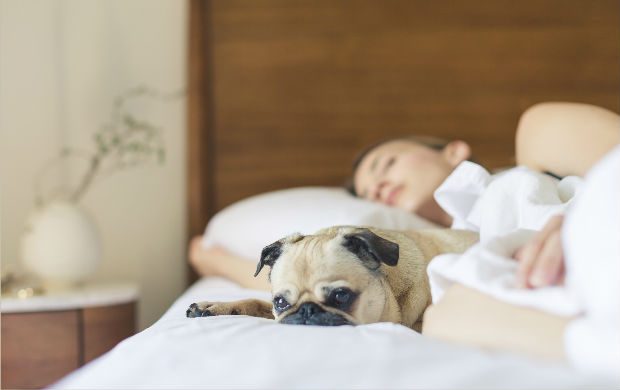
London living has its charms: walkable neighbourhoods, leafy squares, cosy cafés, and parks tucked between rows of terraces. For dog owners, though, apartment life can bring a few extra challenges. Smaller rooms, shared entrances, limited outdoor space, and busy streets all shape how a dog eats, rests, moves, and behaves.
The good news is that a happy, healthy dog does not need a large house or private garden. What matters more is routine, thoughtful use of space, daily enrichment, and close attention to your dog’s physical and emotional needs. With the right habits, even a compact London flat can feel calm, safe, and dog-friendly.
Create a Home Layout That Works for Your Dog
A small flat can quickly feel cluttered, especially when dog beds, bowls, toys, leads, and grooming supplies all compete for space. The aim is not to give your dog an entire room. It is to create clear zones that help them understand where to rest, eat, play, and settle.
Start with a dedicated sleeping area. This could be a washable bed in a quiet corner, a crate with the door left open, or a soft mat beside your sofa. Avoid placing it right next to the front door if hallway noise causes barking or stress. Dogs often rest better when their bed is slightly tucked away from the busiest part of the flat.
Food and water bowls should sit somewhere easy to clean, away from heavy foot traffic. In a studio or one-bedroom flat, a kitchen corner usually works well. Keep toys in a basket rather than scattered around the floor. Rotating a few toys at a time keeps things interesting without turning your living space into a chew-toy obstacle course.
If your dog likes to watch the world go by, think carefully before giving them constant access to the window. Some dogs enjoy it calmly. Others become reactive, barking at every cyclist, delivery driver, or passing dog. If the view winds them up, use blinds, frosted film, or furniture placement to reduce visual triggers.
Make Exercise Fit City Life
Exercise in London apartments needs planning. A dog may not have a garden to potter around in, but they can still get enough exercise through structured walks, short bursts of activity, and indoor games.
Most dogs benefit from a mix of sniffing, walking, and gentle training rather than constant fast-paced exercise. A slow walk where your dog can sniff lamp posts, grass verges, and tree pits can be more satisfying than marching around the block at speed. Sniffing helps dogs gather information and decompress, which is especially useful in a busy city.
Try to vary your routes when possible. One day might include a quiet residential loop. Another could involve a park visit, a canal path, or a calm high street walk for social exposure. If your dog finds crowds stressful, choose quieter times, such as early morning or later evening.
Indoor movement also helps on rainy days or when work schedules are tight. Try:
- Short training sessions using sit, stay, touch, and recall cues
- Hide-and-seek with treats around the flat
- Tug games with clear start and stop signals
- Slow-feeder bowls or puzzle toys
- Gentle hallway fetch if your flooring is safe and non-slip
Avoid overdoing high-impact play indoors, especially on slippery floors. Rugs and runners can help dogs move with a better grip and reduce the risk of skids.
Support Health From the Inside Out
Apartment dogs can live full, active lives, but city living does expose them to a mix of stressors: traffic noise, crowded pavements, changing weather, shared communal areas, and contact with many other dogs. A strong everyday health routine can help your pet stay resilient.
Start with the basics:
- Feed a balanced diet suited to your dog’s age, size, and activity level.
- Keep fresh water available throughout the day, especially if your flat gets warm in summer.
- Watch portion sizes carefully, as dogs in smaller homes may gain weight if treats and meals are not adjusted to their actual activity.
Grooming matters too. London pavements can leave paws dirty, salty in winter, or irritated after long walks. Wipe paws after outings, check between the toes, and keep nails trimmed so your dog can stand and walk comfortably. Regular brushing also helps you spot skin changes, lumps, or signs of discomfort early.
This is also where Pup Labs can fit naturally into a broader care routine. Some owners look at diet, vet guidance, and targeted nutrition together, especially during seasonal changes or periods of stress. For dogs that need extra nutritional support, dog supplements for immune system can be considered as part of a wider approach that includes good food, regular exercise, rest, and professional advice when needed.
Supplements should never replace veterinary care or a balanced diet. They work best when owners treat them as one piece of the bigger picture. If your dog has ongoing symptoms, takes medication, or has a known condition, speak with your vet before adding anything new.
Reduce Stress in a Busy Building
Many London dogs live with sounds they cannot control: lifts, footsteps overhead, neighbours in the corridor, sirens, bins being collected, and doors opening at odd hours. Some dogs ignore these noises. Others stay on alert, which can lead to barking, pacing, or poor sleep.
A predictable routine helps. Feed, walk, and settle your dog at roughly similar times each day. Dogs do not need a rigid timetable, but they do benefit from knowing what usually happens next.
For hallway noise, try creating a calm buffer. Place your dog’s bed away from the entrance. Use a white-noise machine, fan, or low-volume radio if sudden sounds trigger barking. Reward calm behaviour when noises happen, rather than waiting until your dog is already worked up.
If your dog struggles when left alone, build independence gradually. Start with short absences inside the flat, such as stepping into another room. Then progress to leaving through the front door for brief periods. Keep departures and returns low-key. Big emotional exits can make alone time feel more dramatic than it needs to be.
For dogs with severe separation distress, it is worth speaking to a qualified trainer or behaviourist. Apartment living can intensify the issue because neighbours may complain about barking, and owners often feel pressure to solve it quickly. A structured plan is kinder and usually more effective than trial and error.
Keep Outdoor Time Safe and Enjoyable
London offers plenty of dog-friendly green spaces, but city walks come with hazards. Traffic, discarded food, broken glass, cyclists, fox droppings, and crowded paths all require attention.
A well-fitted harness and sturdy lead are useful for everyday walks. Extendable leads can be risky near roads or busy pavements, so use them with care and only in open areas where you have good visibility. Teach your dog a reliable “leave it” cue, especially if they like picking things up from the ground.
Parks are excellent for exercise, but not every dog enjoys off-lead play with strangers. Watch your dog’s body language. A loose body, soft eyes, and relaxed tail usually suggest comfort. Tucked posture, repeated hiding, stiff movement, or frantic chasing can mean the interaction is too much.
After walks, do a quick check. Look at paws, ears, coat, and eyes. Remove debris, wipe mud, and check for ticks if you have been in long grass or wooded areas. These small habits take minutes but can prevent bigger problems later.
Pup Labs is one example of a pet wellness brand that sits within this broader conversation about proactive care, but daily observation remains one of the most powerful tools owners have. You know your dog’s normal behaviour better than anyone. Changes in appetite, energy, toileting, mood, or movement are worth noting.
Build a Routine That Suits Both of You
The best apartment routine is one you can maintain. It should support your dog’s needs without making your own life feel impossible.
A simple weekday rhythm might include a morning toilet walk, breakfast, a calm rest period, a lunchtime stroll or enrichment toy, an evening walk, dinner, and a final toilet break. On busier days, indoor scent games or training can fill the gaps. On quieter days, a longer park visit can give your dog more freedom to sniff and move.
Try not to compare your routine with someone else’s. A young spaniel, an older rescue greyhound, and a small companion breed will all need different levels of activity and stimulation. The right routine is the one that leaves your dog settled, healthy, and content most of the time.
Final Thoughts
Keeping a dog healthy in a London apartment is less about square footage and more about intention. A calm sleeping area, regular walks, mental enrichment, sensible nutrition, and stress-aware routines can make a small flat feel like a secure and happy home.
City dogs adapt well when their owners pay attention to the details: paw care after pavement walks, quiet spaces away from hallway noise, safe routes through busy streets, and daily chances to sniff, rest, and connect. With a little planning, apartment life can offer dogs comfort, structure, and plenty of joy.